
Disclosure: Datamagnet publishes this article. Third-party statistics are attributed to their original sources below; product capabilities described are based on public documentation, retrieved July 19, 2026.
The State of B2B Data in 2026: Enrichment Benchmark Report
Pull any 10,000-row B2B contact list today, and roughly a quarter of it will be wrong within a year. That's not a scare number - it's the pattern showing up across every major 2026 data-quality benchmark, from decay rates to the gap between email and phone coverage. This report pulls together the sourced numbers on how fast B2B data breaks, what waterfall enrichment actually buys you, and what stale records cost a GTM team that ignores the problem.
TL;DR
- In 2026, B2B contact data decays 25-30% a year - a 10,000-record database loses roughly 2,500 to 3,000 usable contacts annually without upkeep (ZoomInfo Pipeline, 2026).
- Waterfall enrichment lifts right-person match rates from about 51% with one provider to roughly 65% with four, though each added source contributes less than the last (Outbound Kitchen, 2026).
- Email coverage still beats phone by a wide margin: ZoomInfo's own database shows 51% verified email coverage versus about 30% for verified mobile or direct-dial numbers.
- Poor data quality costs the average organization $12.9-15 million a year, and 60% of companies never measure that cost at all (Gartner, cited in ZoomInfo Pipeline, 2026).
- Real-time, request-time lookups sidestep the decay problem a batch database can't escape, because they check a record's current state instead of an aging snapshot.
How Fast Does B2B Contact Data Actually Decay in 2026?
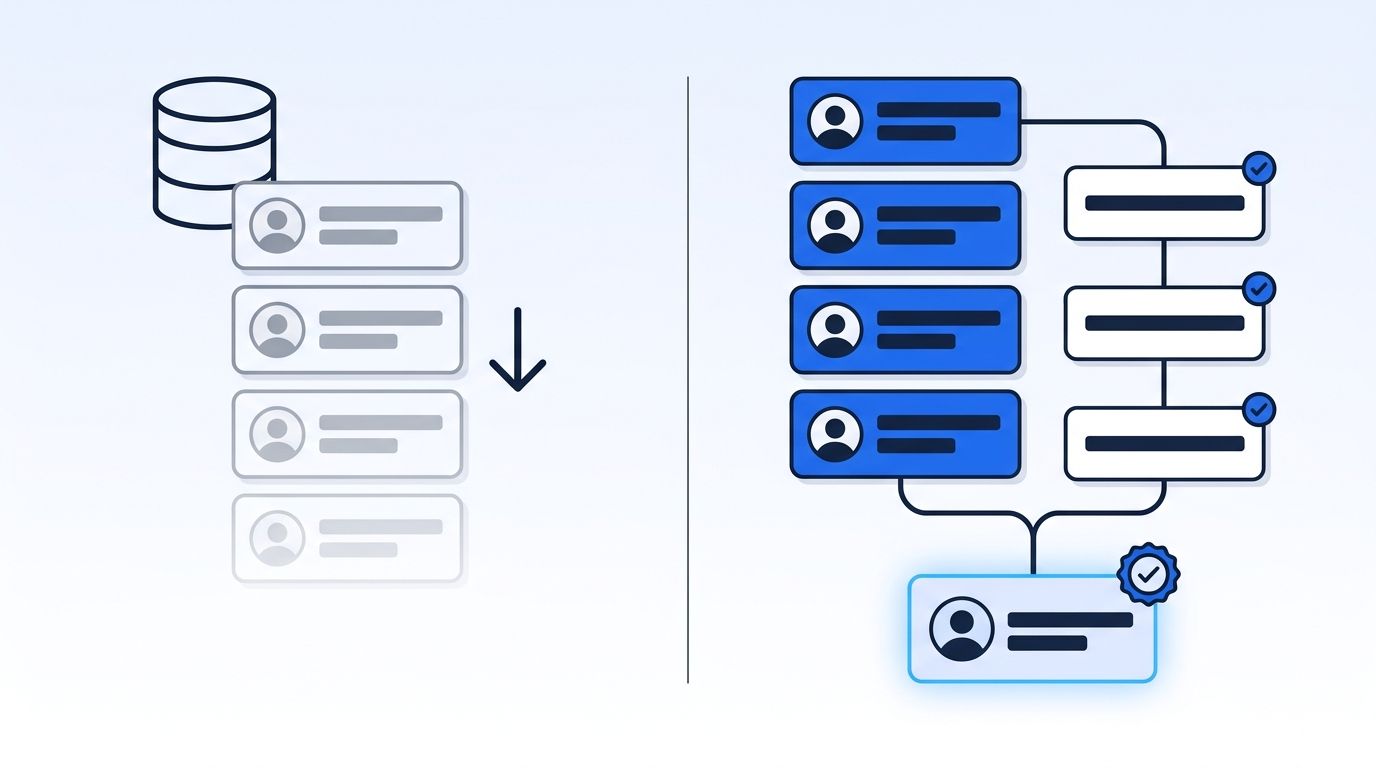
In 2026, B2B contact records decay at 25-30% a year, according to ZoomInfo's Pipeline research - meaning a 10,000-contact database loses 2,500 to 3,000 usable records every twelve months without active maintenance (ZoomInfo Pipeline, How to Improve B2B Data Quality: A 2026 GTM Guide, retrieved 2026-07-19). HubSpot's Database Decay Simulation puts the monthly rate at 2.1%, which compounds to about 22.5% annualized (HubSpot, Database Decay Simulation, retrieved 2026-07-19). Different methodology, same conclusion: the list you built in January is measurably wrong by December.
Job changes drive most of it. Someone gets promoted, moves to a competitor, or leaves the workforce, and every field tied to their old role - title, email, direct-dial number - goes stale at once. A single job change can invalidate three or four fields in your CRM simultaneously, not just one.
Citation capsule: A 2026 ZoomInfo Pipeline analysis puts annual B2B contact decay at 25-30%, meaning a mid-sized 10,000-record CRM loses roughly 2,500 to 3,000 usable contacts a year if nobody touches it. That isn't a one-time cleanup problem - it's a continuous leak that a quarterly batch cleanse only patches, never plugs.
Firmographic data decays just as fast, and it's easier to miss. A company tagged "500 employees" during last year's import may have doubled headcount, been acquired, or shut down an entire division since then. Datamagnet's Company Profile endpoint pulls headcount, industry, and recent updates directly from a company's live LinkedIn page, so the number a rep sees reflects this week, not whenever the last import ran.
Does Waterfall Enrichment Really Beat a Single Data Source?
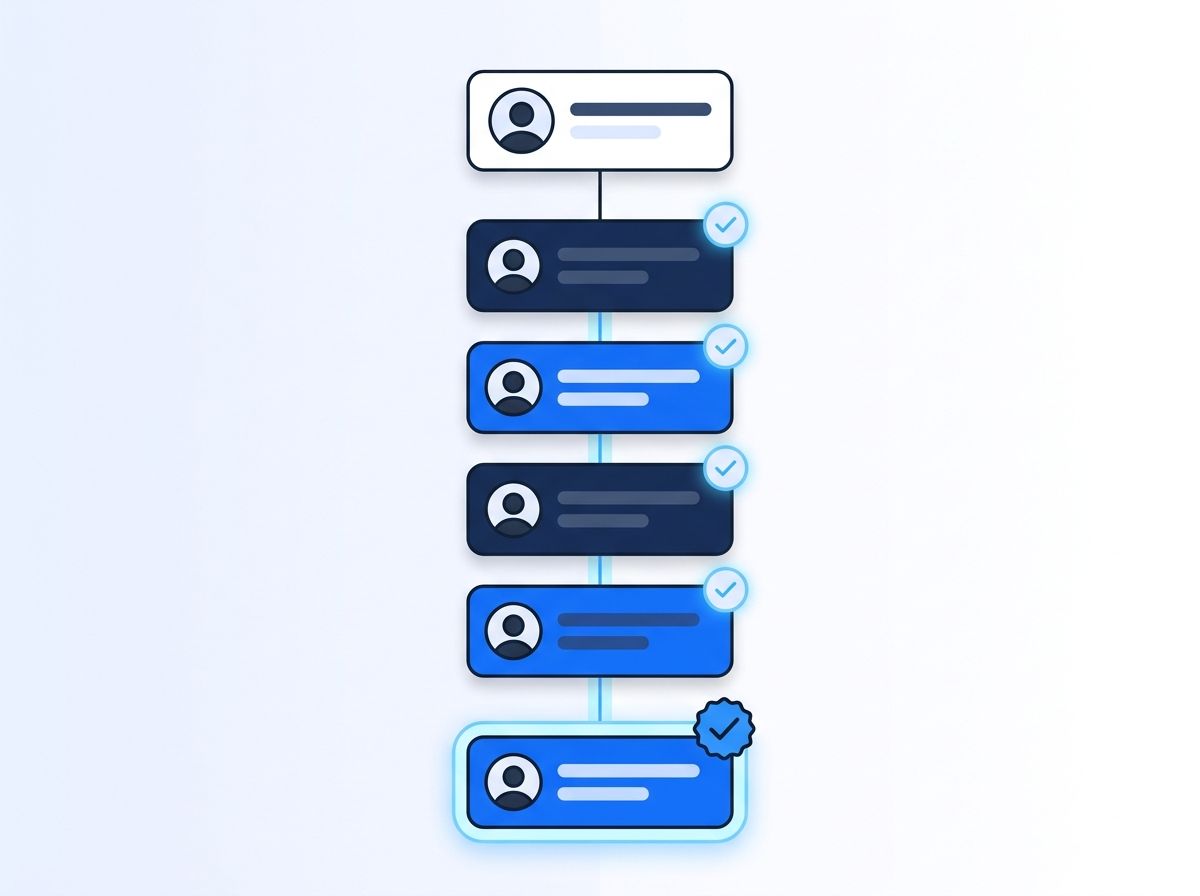
In 2026, waterfall enrichment - stacking two or more data providers so each fills the gaps the last one missed - beats any single vendor on match rate, but the gains shrink fast after the second source. An independent Outbound Kitchen benchmark tested 1,400 US B2B contacts across 10 providers and found the best single vendor, Wiza, alone hit 87% raw phone-number coverage but only a 51% verified right-person match rate (Outbound Kitchen, The 2026 B2B Mobile Data Benchmark, retrieved 2026-07-19).
Add a second provider, and the combined right-person match climbs to roughly 60%. A third provider adds about 3 more points, a fourth adds 2, and by the fifth source, the improvement barely registers on the benchmark's own numbers.
<!-- [UNIQUE INSIGHT] -->Most teams read "waterfall enrichment" as a solved problem: stack enough vendors and coverage approaches 100%. The benchmark data says otherwise - the match-rate curve bends the same way diminishing returns bend everywhere else. Past three or four sources, you're paying for a lookup that catches the same handful of stubborn records, and the economics stop favoring more vendors and start favoring better-targeted ones.
Clay, a waterfall-enrichment platform, reports its own customers see combined email-and-mobile coverage near 80% versus roughly 30% from a single ZoomInfo-style source - that's the vendor's own framing, but it points the same direction as the independent benchmark above (Clay, Data Waterfalls: Maximize Contact Coverage in 2026, retrieved 2026-07-19). If you're building the target list a waterfall runs against, Datamagnet's ICP People Search filters for job title, seniority, and company before enrichment starts, so the waterfall spends its lookups on contacts that already match your ICP instead of a broad, unfiltered import.
Why Is There Such a Big Gap Between Email and Phone Coverage?
In 2026, B2B databases still cover email far better than phone. ZoomInfo's own published database totals show 210 million verified business emails against 410 million total contact profiles - about 51% coverage - compared to 120 million direct-dial numbers and 122 million mobile numbers, each landing around 29-30% coverage (ZoomInfo, B2B Contact Database, retrieved 2026-07-19).
An independent 2026 test across 10 B2B data providers found a phone number listed for 99% of 1,400 contacts checked - but a verified, right-person mobile number for only 68% (Outbound Kitchen, The 2026 B2B Mobile Data Benchmark, retrieved 2026-07-19). The gap between "a phone number is listed" and "the phone number reaches the right person" is where most outbound calling budgets quietly leak.
Manually phone-verified numbers close part of that gap: Cognism's own verified numbers reach a 20% connection rate to the right person, seven times the industry standard the company cites for unverified numbers (Cognism Newsroom, 1M Diamond Contacts Milestone, retrieved 2026-07-19). That's evidence the coverage gap is partly a verification problem, not just a data-collection one.
<!-- [PERSONAL EXPERIENCE] -->Watching a team debug a cold-calling program that isn't converting is a familiar pattern: the CRM says every contact has a phone number, but half of those numbers ring a switchboard, a disconnected line, or someone who left the company two roles ago. The "coverage" field in most CRMs measures whether a phone number exists, not whether it's the right one.
What Does Bad B2B Data Actually Cost Your Team?
In 2026, poor data quality still costs the average organization an estimated $12.9-15 million a year in wasted spend and missed opportunities, and 60% of companies never measure that cost at all (Gartner research, cited in ZoomInfo Pipeline, retrieved 2026-07-19).
Sales development reps feel it directly. ZoomInfo's Pipeline research puts the time SDRs waste on bad or dirty contact data at roughly 27% of their selling time - more than a quarter of the week spent fixing bounced emails and disconnected numbers instead of prospecting (ZoomInfo Pipeline, 2026).
Citation capsule: Dun & Bradstreet's own survey of 510 US and UK business decision-makers found about 20% had lost a customer and 15% had failed to close a new contract because of incomplete or inaccurate company information (Dun & Bradstreet survey via PR Newswire, retrieved 2026-07-19). Bad data doesn't just waste time - it costs closed deals.
Only 17% of sales teams rate their "single view of the customer" capability as outstanding, according to Salesforce's State of Sales research surveying more than 3,100 sales professionals globally (Salesforce, State of Sales Report, retrieved 2026-07-19) - meaning most teams make account decisions on a fragmented, partly-wrong picture.
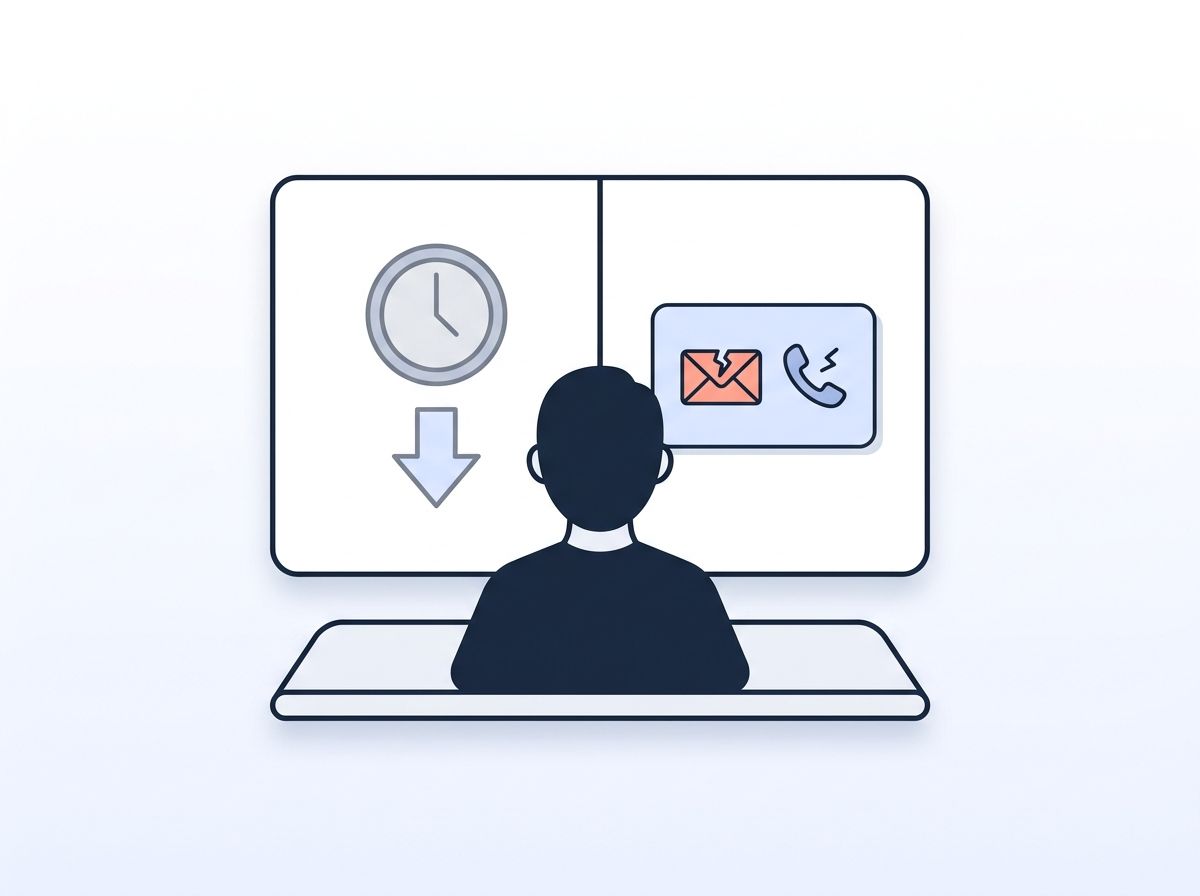
Cross-referencing ZoomInfo's own coverage numbers with the Outbound Kitchen benchmark suggests the real accuracy gap is wider than either source states alone: if only 30% of contacts have a listed phone number, and only 68% of found numbers verify to the right person, something closer to 20% of a typical B2B database holds a phone number that both exists and reaches the correct person - a much smaller slice than most CRM dashboards report as "phone coverage."
How Should GTM Teams Respond to the 2026 Data Quality Numbers?
GTM teams should respond by treating enrichment as a live lookup instead of a periodic import, since every benchmark above measures a static database's failure mode. A record fetched the moment a rep needs it can't go stale between checks, because there's no snapshot sitting around to decay in the first place.
Datamagnet's People Profile endpoint and Company Profile endpoint fetch current role, headline, and firmographic data directly from a live LinkedIn page at request time, so the record a rep pulls today reflects today, not whenever the last batch import ran. Layer a job-change signal with webhook delivery on top, and stale records get flagged the moment they change instead of waiting for the next quarterly cleanse.
For a deeper look at how live lookups compare to a stored database, see how real-time B2B people enrichment closes the same gap, and how job-change signal APIs apply live monitoring to intent data instead of just contact records.
Keep Your Data Ahead of the 2026 Decay Curve
Every number in this report points the same direction: B2B data doesn't fail all at once, it leaks 2-3% a month, phone coverage lags email by roughly 20 points, and waterfall enrichment helps but plateaus after a few sources. Bad data isn't a spreadsheet problem you fix once a quarter - it's a moving target a stored database can't win against. Review Datamagnet's security and data practices before scaling any enrichment workflow, since compliance requirements vary by jurisdiction and use case. See how real-time LinkedIn data keeps decay from ever hitting your CRM - pull one live profile and compare it against what's sitting in your database today.
Frequently Asked Questions
How fast does B2B contact data decay?
B2B contact data decays 25-30% a year according to ZoomInfo's Pipeline research, or roughly 22.5% annualized under HubSpot's Database Decay Simulation methodology (retrieved 2026-07-19). Either measure means a list built in January is meaningfully wrong well before the next annual review, driven mostly by job changes and company moves.
What is waterfall data enrichment?
Waterfall enrichment stacks multiple data providers so each fills the gaps the last one missed, instead of relying on one vendor. A 2026 independent benchmark found the best single provider alone reached a 51% right-person match rate, climbing to roughly 65% after four stacked sources, with each added vendor contributing less than the one before it.
Is email or phone data more accurate in B2B databases?
Email coverage runs well ahead of phone. ZoomInfo's own database shows about 51% verified email coverage against 29-30% for direct-dial or mobile numbers. Phone data also has a verification problem on top of the coverage gap - one 2026 benchmark found a phone number listed for 99% of contacts but a verified right-person match for only 68%.
How much does bad B2B data cost a company?
Poor data quality costs the average organization $12.9-15 million a year, according to Gartner research, and 60% of companies never measure that cost at all. SDRs separately lose an estimated 27% of their selling time to bad contact data, according to ZoomInfo's 2026 Pipeline research.
How can GTM teams keep B2B data fresh in 2026?
The most reliable fix is checking a record live at the moment it's used instead of trusting a stored database snapshot. Real-time APIs and job-change signals catch decay within days of it happening, closing a gap that a quarterly or annual batch cleanse always leaves open between refresh cycles.
Sources
- HubSpot, Database Decay Simulation, retrieved 2026-07-19, https://www.hubspot.com/database-decay
- ZoomInfo Pipeline, How to Improve B2B Data Quality: A 2026 GTM Guide, retrieved 2026-07-19, https://pipeline.zoominfo.com/operations/poor-data-quality-impact
- ZoomInfo, B2B Contact Database, retrieved 2026-07-19, https://www.zoominfo.com/offers/b2b-contact-database
- Dun & Bradstreet survey via PR Newswire, retrieved 2026-07-19, https://www.prnewswire.com/news-releases/dun--bradstreet-survey-reveals-one-in-five-businesses-loses-revenue-and-customers-due-to-incomplete-data-300873093.html
- Cognism Newsroom, 1 Million Diamond Contacts Milestone, retrieved 2026-07-19, https://www.cognism.com/newsroom/1m-diamond-contacts-press-release
- Outbound Kitchen, The 2026 B2B Mobile Data Benchmark, retrieved 2026-07-19, https://newsletter.outbound.kitchen/p/the-2026-b2b-mobile-data-benchmark
- Clay, Data Waterfalls: Maximize Contact Coverage in 2026, retrieved 2026-07-19, https://www.clay.com/blog/data-waterfalls
- Salesforce, State of Sales Report, retrieved 2026-07-19, https://salesforce-research.relayto.com/e/state-of-sales-report-salesforce-ssmnfma4
- Gartner, How to Improve Your Data Quality (cited via ZoomInfo Pipeline), retrieved 2026-07-19, https://pipeline.zoominfo.com/operations/poor-data-quality-impact
- Datamagnet, People Profile endpoint, retrieved 2026-07-19, https://docs.datamagnet.co/api-reference/endpoints/people
- Datamagnet, Company Profile endpoint, retrieved 2026-07-19, https://docs.datamagnet.co/api-reference/endpoints/company
- Datamagnet, ICP People Search endpoint, retrieved 2026-07-19, https://docs.datamagnet.co/api-reference/endpoints/icp-people-search
- Datamagnet, Create Signal endpoint, retrieved 2026-07-19, https://docs.datamagnet.co/api-reference/endpoints/signal-create
- Datamagnet, Webhooks, retrieved 2026-07-19, https://docs.datamagnet.co/api-reference/webhooks
