
Disclosure: This article is published by Datamagnet. Vendor claims are self-reported unless otherwise noted.
How Do You Negotiate Better Pricing With Data Enrichment Vendors?
Data enrichment vendors quote list price because most buyers just pay it. In 2025, SaaS and data vendors pushed through price increases of up to 20% (some reports cite 25%) while corporate IT budgets grew only 2.8% (Gartner, via CIO.com, December 2025). That gap doesn't close on its own — you have to negotiate it closed. This guide covers pricing model literacy, real leverage points, contract terms that matter as much as the number on the invoice, and the timing that decides who holds the cards.
Key Takeaways
- Prepared negotiators can get up to 40% off list price, but the market average lands closer to 10-17% (Info-Tech Research Group; Vendr, 2025).
- Vendor prices rose 10-20% in 2025 while IT budgets grew just 2.8% — that gap is your opening argument (Gartner, 2025).
- B2B contact data decays 2.1% a month, or 22.5% a year, which makes accuracy SLAs a real bargaining chip (MarketingSherpa via HubSpot).
- 90% of vendor contracts auto-renew and 29% carry an automatic fee increase — read that clause before you sign anything (Common Paper, 2024).
- Start renewal talks 90-120 days out. A last-minute renewal hands the vendor every ounce of leverage in the room.
How Are Data Enrichment Vendors Actually Pricing You?
In 2026, the sales intelligence software market is on pace to cross $4.99 billion, up from roughly $4.4-4.85 billion in 2025, growing at an 11-13% compound annual rate (Mordor Intelligence; Fortune Business Insights). That growth funds three distinct pricing structures, and knowing which one you're in changes what you can ask for.
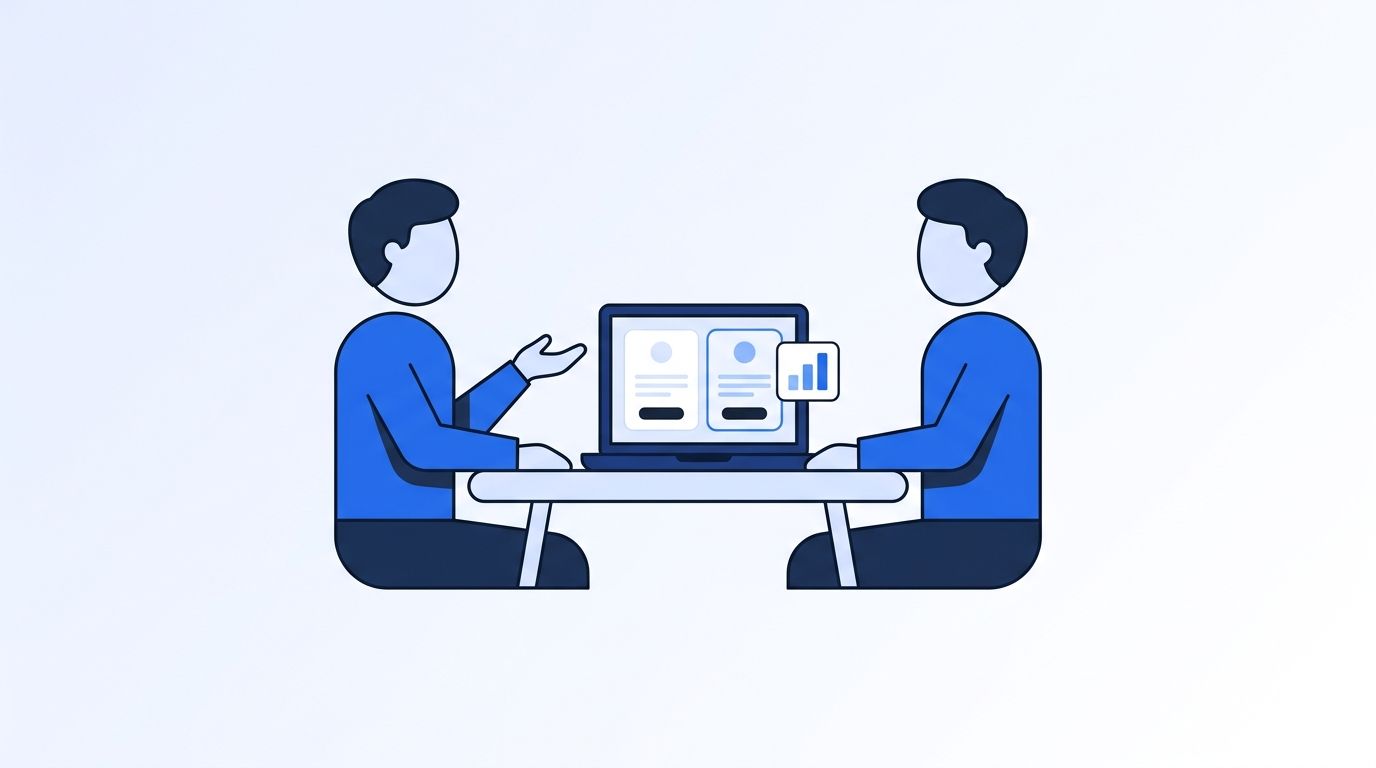
Seat-based pricing charges per named user, regardless of how much data that user actually pulls — common with legacy contact databases. Credit-based (or usage-based) pricing charges per record or per API call, which rewards buyers who track consumption closely. Per-record pricing sits in between, billing for specific enrichments rather than seats or bulk credits.
If you're evaluating a usage-based provider, check what a credit actually buys before you negotiate volume — Datamagnet's credit balance endpoint is a useful reference for how granular that accounting can get. Vendors bundling seats you don't need are the easiest place to find savings, because unused seats are pure margin for them and pure waste for you.
Ask your rep for an itemized breakdown by module before the first pricing call. A vendor who can't produce one is quoting you a number they made up, not a number tied to your actual usage.
Why Is This the Right Moment to Push Back on List Price?
79% of technology decision-makers reported an increase in software costs over the past year (Forrester, October 2024), and the pattern accelerated through 2025. Average SaaS spend per employee hit $4,830, up 21.9% year over year, while license waste climbed to $21 million annually per organization on average — a 14.2% jump (Zylo 2025 SaaS Management Index).
Rhetorical question worth asking your own finance team: if spend is up 22% and waste is up 14%, how much of your data vendor's renewal invoice is actually justified by new value versus just inertia? Gartner's research puts real vendor price hikes at 10-20% for 2025, against IT budget growth of just 2.8% (CIO.com, December 2025) — a widening gap that gives buyers who show up prepared genuine room to negotiate.
That gap is the single strongest argument you can bring to a renewal call. Vendors expect pushback when their own price increases have outpaced what your budget can absorb.
What Leverage Do You Have Before the Conversation Even Starts?
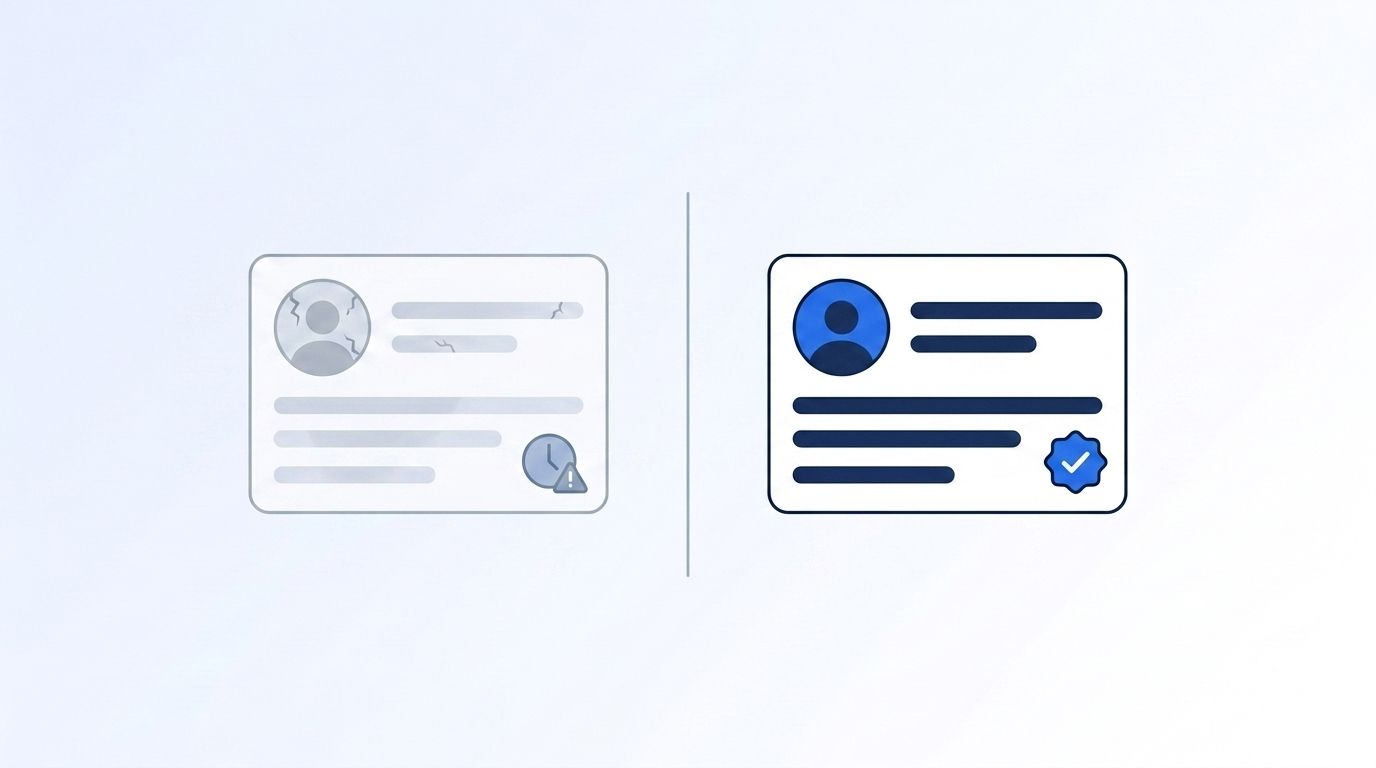
B2B contact data decays at 2.1% a month, which compounds to 22.5% annually (MarketingSherpa, via HubSpot's database decay research). That decay rate is your leverage for an accuracy SLA, not just a footnote about data quality — a vendor who won't commit to a refresh cadence or accuracy guarantee is asking you to absorb their decay curve at full price.
The highest-leverage ask in most data enrichment negotiations isn't a bigger discount — it's unbundling. Vendors price modules together specifically so you can't see which ones are subsidizing which. Ask for per-module pricing, and you'll usually find one or two features you're paying full freight for and never touch.
A competing quote is still the fastest way to test whether your current price is real or just what you've always paid. Pull pricing from an API-first alternative like a ZoomInfo, Clearbit, or Coresignal comparison, and bring the number into the room. You don't need to switch — you need your incumbent to believe you might.
How Do You Structure the Actual Negotiation?
Info-Tech Research Group notes discounts of up to 40% off list price are available to negotiators who come prepared, though that ceiling isn't the norm — Vendr's benchmarking data, built from over $15 billion in real SaaS transactions, puts the average realized discount closer to 10-17% (Vendr Pricing Benchmarks, 2025). Treat 40% as the best case, not the baseline, and you'll negotiate from a realistic position instead of an anchored one.
Some vendors are now layering AI-driven consumption pricing into renewals, with reported increases of 20-37% against a historical norm closer to 3-9% (Tropic, 2025). If your renewal quote jumps well past historical trend, ask the rep to walk you through exactly what changed in the pricing model — not just the number.
Three moves that consistently work in data vendor negotiations:
- Request usage data before the call. Bring your own consumption numbers so the conversation is about your actual usage tier, not the vendor's suggested one.
- Trade term length for price, not the other way around. A multi-year commitment is worth a locked rate; don't hand it over for a one-time discount.
- Get every concession in writing before renewal, not after. Verbal promises from a sales rep don't survive an account handoff.
See Datamagnet's transparent pricing page for an example of published, pay-as-you-go rates — a useful benchmark when you're asking a legacy vendor to justify an opaque quote.
What Contract Terms Matter as Much as Price?
90% of cloud service agreements include automatic renewal, and 29% bake in an automatic fee increase on renewal — typically 5-8% — based on contracts from over 1,000 companies (Common Paper Contract Benchmark Report, 2024). 84% of those auto-renewing contracts use just a 30-day non-renewal notice window, which is barely enough time to evaluate alternatives, let alone negotiate.
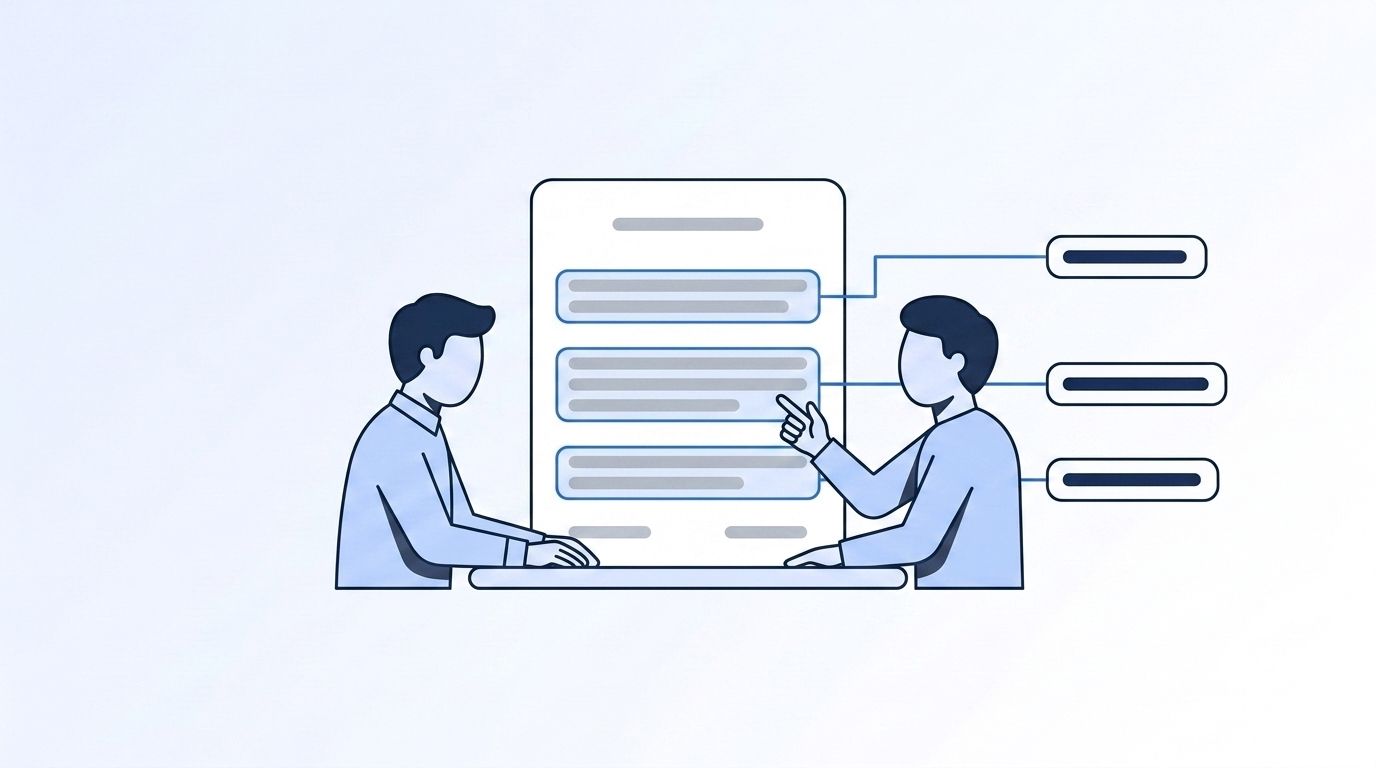
Before you sign anything, negotiate these four terms with the same energy you bring to price:
- A price-increase cap on renewal — 3-5% is a reasonable ask given historical norms, well below the 20%+ hikes some vendors are now pushing.
- A 90-day (or longer) non-renewal notice window, so you're not locked into an auto-renewal you had 30 days to catch.
- Data accuracy or refresh SLAs, tied to a real remedy — credits or termination rights — if the vendor misses them.
- Data portability and exit terms, so you can actually take your enriched records with you if you switch. Check any vendor's security and data practices page for how they handle this before you sign.
First-Time Buyer or Renewal: Does Your Playbook Change?
If you're buying for the first time, run a real bake-off. Pull quotes from two or three providers — ZoomInfo, People Data Labs, and an API-first option are a reasonable spread — and test their documentation and quickstart before you commit to a contract length. A vendor that makes you talk to sales just to see the docs is telling you something about how they'll handle a renewal conversation later.
If you're renewing, your leverage is different: you have usage history, a track record of data quality (good or bad), and a real switching cost the vendor knows you're weighing. If your current vendor has been acquired, sunset a product line, or forced a migration — the way Proxycurl's shutdown pushed teams toward alternatives (see this migration guide for what that transition looks like) — that disruption is itself a negotiating chip. Vendors mid-transition are more flexible than vendors with a stable renewal pipeline.
Renewal conversations that start with "we're happy, just want fair pricing" get worse outcomes than ones that start with a specific number, a specific comparable quote, and a specific date by which you need an answer. Vague goodwill doesn't move a pricing floor. Specifics do.
Whichever position you're in, the tactics compound: bring usage data, bring a comparable quote, negotiate terms alongside price, and never let a renewal deadline sneak up on you. Compare your current spend against a transparent, credit-based pricing model before your next call — it's the fastest way to know whether you're actually getting a fair deal.
Frequently Asked Questions
How much can you realistically negotiate off a data enrichment vendor's list price?
Realistic outcomes land around 10-17% off list price, based on Vendr's benchmarking data from more than $15 billion in real SaaS transactions. Up to 40% is possible for well-prepared negotiators per Info-Tech Research Group, but treat that as a ceiling, not a starting assumption, when you build your budget.
When should you start renewal negotiations with a data vendor?
Start 90-120 days before your contract expires, or 120-180 days out for high-value or complex contracts. That window gives you time to gather usage data, request competing quotes, and negotiate from a position of choice rather than urgency created by an approaching deadline.
What contract terms should you negotiate beyond price?
Negotiate a price-increase cap on renewal, a non-renewal notice window longer than 30 days, data accuracy or refresh SLAs with a real remedy, and data portability terms. 90% of vendor contracts auto-renew and 29% include automatic fee increases, per Common Paper's 2024 benchmark, so these clauses carry real financial weight.
Does switching data enrichment vendors actually save money?
It can, but the bigger value is usually the leverage a credible alternative gives you with your incumbent. Even if you never switch, pulling a comparable quote from an API-first provider gives your current vendor a real number to negotiate against instead of an empty threat.
Sources
- Gartner (via CIO.com), "SaaS price hikes put CIOs' budgets in a bind," retrieved 2026-07-19, https://www.cio.com/article/4104365/saas-price-hikes-put-cios-budgets-in-a-bind.html
- Forrester, "Predictions 2025: A Year Of Reckoning For Enterprise Application Vendors," retrieved 2026-07-19, https://www.forrester.com/blogs/predictions-2025-enterprise-software/
- Zylo, "2025 SaaS Management Index," retrieved 2026-07-19, https://zylo.com/news/2025-saas-management-index
- Vendr, "Pricing Benchmarks," retrieved 2026-07-19, https://www.vendr.com/pricing-benchmarks
- Info-Tech Research Group, "Get the Best Discount Possible With a Data-Driven Negotiation Approach," retrieved 2026-07-19, https://www.infotech.com/research/ss/get-the-best-discount-possible-with-a-data-driven-negotiation-approach
- Tropic, "SaaS and AI Buying Trends Report," retrieved 2026-07-19, https://www.tropicapp.io/reports/software-spending-trends-2025
- MarketingSherpa (via HubSpot), "Database Decay Simulation," retrieved 2026-07-19, https://www.hubspot.com/database-decay
- Common Paper, "Contract Benchmark Report (2024 Q1)," retrieved 2026-07-19, https://commonpaper.com/resources/contract-benchmark-2024-q1/
- Mordor Intelligence, "Sales Intelligence Market," retrieved 2026-07-19, https://www.mordorintelligence.com/industry-reports/sales-intelligence-market
- Fortune Business Insights, "Sales Intelligence Market," retrieved 2026-07-19, https://www.fortunebusinessinsights.com/sales-intelligence-market-109103
