
Disclosure: This article is published by Datamagnet. Vendor claims are self-reported unless otherwise noted.
9 Best CRM Enrichment Integrations for HubSpot in 2026
In 2026, at least 23% of a B2B email list decays within a year — down slightly from 28% in 2024, but still enough to quietly wreck your lead scoring and segmentation (ZeroBounce, The Email List Decay Report for 2026, 2026). If HubSpot is your system of record, that decay shows up everywhere: dead workflows, misfired sequences, reps chasing contacts who've already left. Enrichment fixes it, but HubSpot's marketplace lists dozens of enrichment apps, and not all of them sync the same way or cost the same amount. We compared nine on integration mechanism, data type, and price so you're not stuck running a six-week trial to find out.
Key Takeaways
- B2B contact data decays 23% per year even after recent improvement, which means enrichment isn't optional maintenance — it's a recurring cost (ZeroBounce, 2026).
- Native HubSpot Marketplace apps (ZoomInfo, Apollo, Cognism, Vainu) sync on record creation or a schedule; API-first tools like Datamagnet connect through Zapier, Make, or custom workflows instead.
- Pricing splits cleanly into two camps: self-serve monthly plans (Lusha from ~$37/month, Apollo Basic from ~$49/user/month) and quote-based enterprise contracts (ZoomInfo, Cognism).
- 51% of B2B software buyers now start vendor research inside an AI chatbot rather than a search engine, up from 29% in April 2025 — a reason to keep your CRM data (and your content) accurate (G2, The Answer Economy: G2's 2026 AI Search Insight Report, 2026).
Why Do HubSpot Teams Need a Dedicated Enrichment Layer?
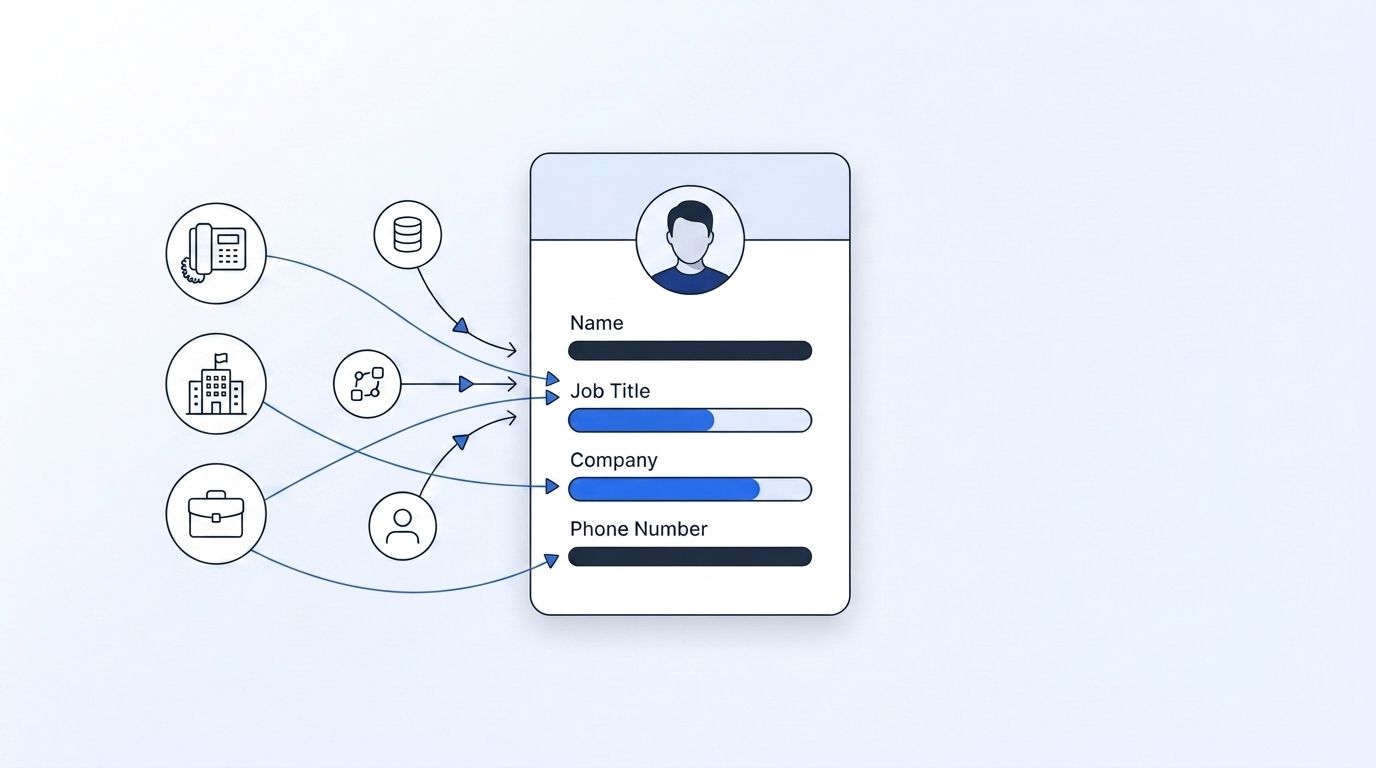
HubSpot's native fields don't fill themselves. As of Q1 2026, HubSpot reported roughly 299,458 paying customers and $881 million in quarterly revenue, up 23% year over year (HubSpot Investor Relations, HubSpot Reports Strong Q1 2026 Results, May 2026). That growth means more teams inheriting messy imported contact lists with no job title, no company size, and no way to route them correctly.
A Gartner-attributed benchmark still widely cited across the industry puts the average cost of poor data quality at $12.9 million per year for a mid-sized organization — a figure that predates 2026 but remains the standard reference point (via Apollo.io, How Do I Calculate the Cost of Poor Data Quality?). Enrichment tools close that gap by appending missing fields the moment a contact hits your CRM, rather than waiting for a rep to Google someone's title.
The nine tools below cover three distinct integration patterns: native HubSpot Marketplace apps that sync automatically, API-first platforms you wire in yourself, and no-code connectors like Zapier or Make that sit in between. Knowing which pattern a tool uses matters as much as its accuracy claims — a native app needs zero engineering time; an API-first tool needs a workflow but usually costs less per record.
1. Why Is Datamagnet Best for Real-Time LinkedIn-Sourced People and Company Data?
Datamagnet pulls fresh data straight from LinkedIn at request time instead of matching against a stored database, which is the core difference between it and most names on this list. The company states its APIs return people and company data with 95% accuracy, sourced live rather than pulled from a cache that might be months old.
Best for: Teams that want enrichment tied to job-change and signal data, not just a one-time field fill — Datamagnet's Signal API can trigger a HubSpot record update the moment a contact changes jobs.
Key feature: The HubSpot integration enriches contacts and companies on workflow trigger and layers in job-change webhooks to auto-update records without a manual re-sync. Because it's API-first rather than a fixed marketplace card, teams needing custom field mapping call the People and Company endpoints directly, or wire them through native HubSpot workflows, Zapier, or Make.
Pricing: Pay-as-you-go credits, with 10 free credits to test before committing (see pricing).
The "native app vs. API-first" split on this list isn't cosmetic — it changes who owns the integration. Native marketplace apps (ZoomInfo, Apollo, Vainu) hand you a pre-built card with fixed field mappings. API-first tools trade that convenience for control: you decide exactly which fields sync, when, and under what trigger condition.
2. Why Is HubSpot Breeze Intelligence the Best Native, Zero-Setup Option?
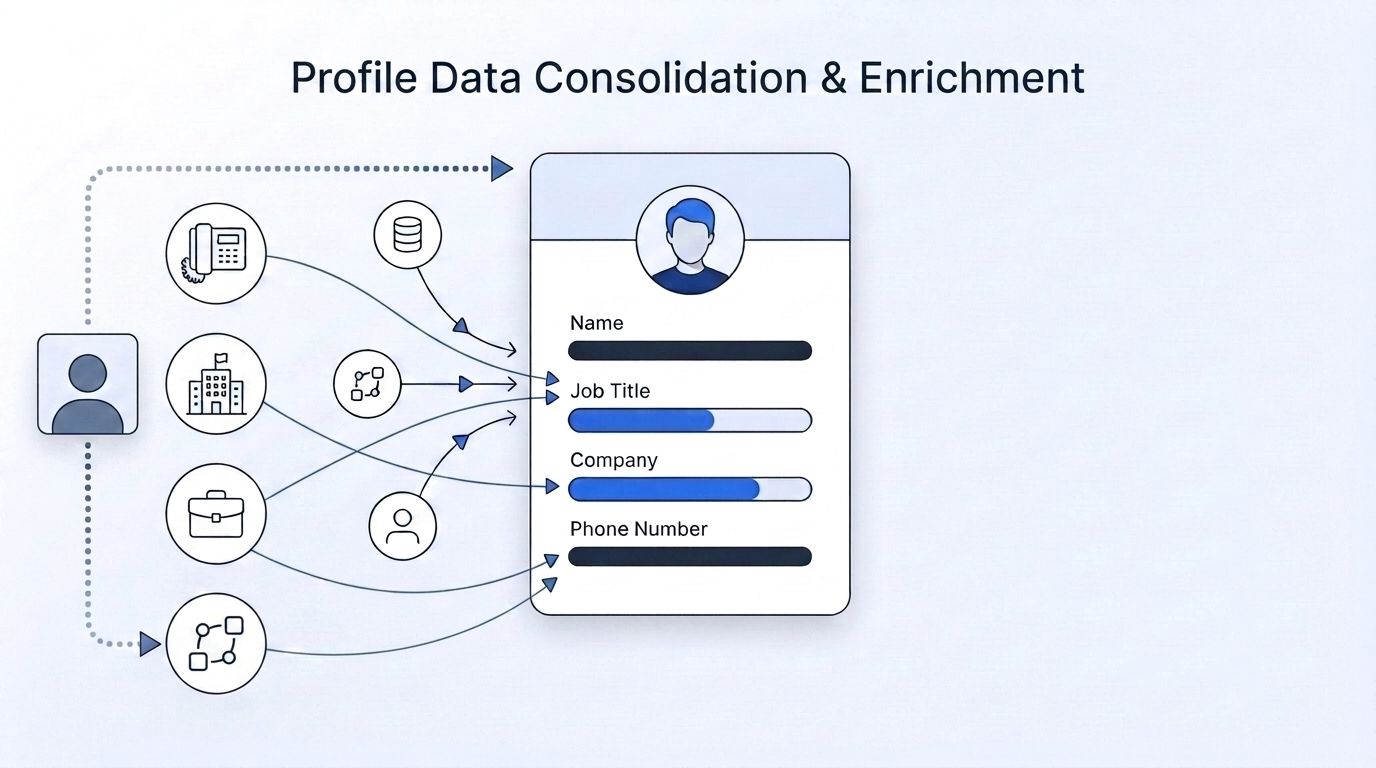
Breeze Intelligence is what's left of Clearbit after HubSpot acquired it and folded it directly into the CRM. It's the only tool on this list that requires no separate app install, no API key, and no marketplace listing — enrichment runs as a built-in feature.
Best for: Teams already fully committed to HubSpot who want enrichment without adding another vendor relationship or contract to manage.
Key feature: Fields populate directly on HubSpot contact and company records using the same interface you already use for everything else — no external dashboard to check.
Pricing: Included in eligible HubSpot Hub plans; exact credit allowances vary by tier.
[CITATION CAPSULE] Since HubSpot's 2023 acquisition, Clearbit's standalone API and cross-CRM tools have been sunset in favor of Breeze Intelligence, which only works inside HubSpot — a tradeoff worth knowing if you ever plan to run a CRM other than HubSpot. See our full Clearbit alternative comparison for what changed.
3. Why Is Clay Best for Multi-Provider Waterfall Enrichment?
Clay doesn't enrich from one database — it pulls HubSpot list contacts into a spreadsheet-style "Table" and routes each one through more than 75 third-party providers in sequence until a field gets filled, then writes the result back to HubSpot.
Best for: RevOps and GTM engineering teams who want the highest possible match rate and are comfortable configuring a waterfall themselves rather than trusting a single vendor's coverage.
Key feature: Bidirectional sync between HubSpot lists and Clay Tables means enrichment output flows back into HubSpot automatically once a workflow finishes running.
Pricing: Credit-based plans starting in the low hundreds per month, scaling with enrichment volume.
4. Why Is ZoomInfo Inbound Enrich Best for Enterprise-Scale Contact Depth?
ZoomInfo's native HubSpot Marketplace app, listed directly on HubSpot's own ecosystem page, auto-enriches new inbound contacts the moment they're created or on a scheduled batch run (HubSpot App Marketplace, ZoomInfo Inbound Enrich). That combination matters most for teams sitting on a large backlog of thin or outdated HubSpot records, since the batch mode cleans up history while the real-time mode keeps new leads current.
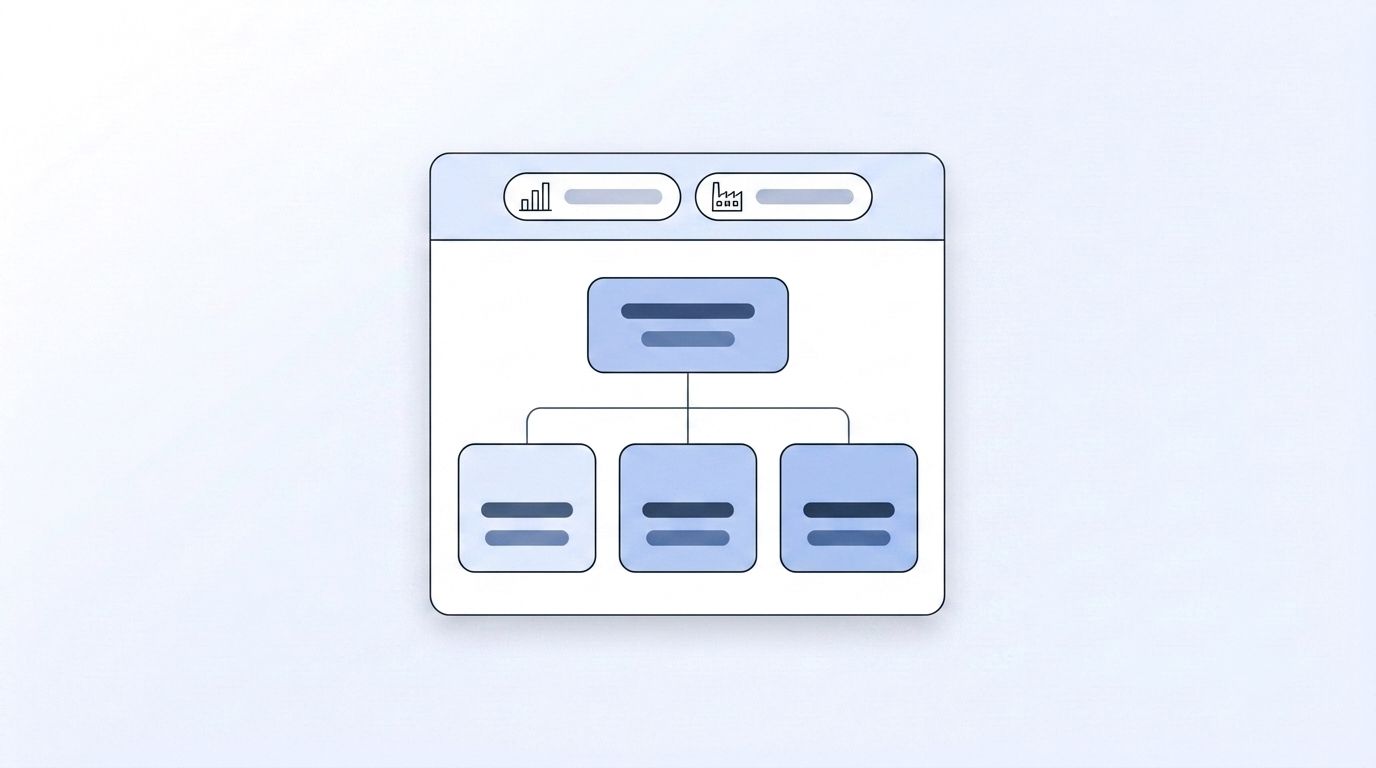
Best for: Enterprise teams that need the deepest company hierarchy and org-chart data, not just contact-level fields.
Key feature: Batch and real-time enrichment modes run side by side, so historical records get cleaned up while new inbound leads enrich instantly.
Pricing: Quote-based. Industry-reported entry contracts start around $15,000 per year, though ZoomInfo doesn't publish list pricing. See our full ZoomInfo comparison if you're weighing a request-time API against a static database.
5. Why Is Apollo.io Enrichment Best for Combining Enrichment and Outbound?
Apollo's native HubSpot Marketplace app runs in two modes: full bidirectional CRM sync, or an enrichment-only mode that appends fields to existing HubSpot records without ever pulling your data into Apollo (Apollo.io Knowledge Base, HubSpot Data Enrichment). That flexibility lets teams already using Apollo for prospecting extend the same contact and company database into HubSpot without standing up a separate enrichment vendor.
Best for: Teams that want enrichment and outbound sequencing under one login instead of stitching two tools together.
Key feature: The enrichment-only mode is a rare option among marketplace apps — most either sync everything or nothing.
Pricing: Apollo's Free plan excludes CRM integrations entirely; enrichment requires the Basic plan, starting at $49 per user, per month, billed annually (Apollo's own knowledge base). See our Apollo comparison for how the pricing models differ.
6. Why Is Cognism Best for Phone-Verified, Compliance-First Calling Data?
Cognism announced a native 2-way sync app for HubSpot directly in its own newsroom, positioning it around phone-verified "Diamond Data" cross-checked against more than 15 do-not-call lists (Cognism Newsroom, Cognism Launches Native 2-Way Sync For HubSpot). The do-not-call screening is the differentiator here — most enrichment vendors verify that a number is reachable, but few check it against regional calling restrictions before it lands in a rep's dialer queue.
Best for: Teams running EU or UK outbound calling programs where compliance with local do-not-call regulations is non-negotiable.
Key feature: Two-way sync means changes made in Cognism (like a verified mobile number) push into HubSpot without a manual export.
Pricing: Quote-based; third-party reviews put entry pricing above $1,500 per year, though this figure isn't confirmed on Cognism's own pricing page.
7. Why Is Lusha Best for Budget-Conscious SMB Teams?
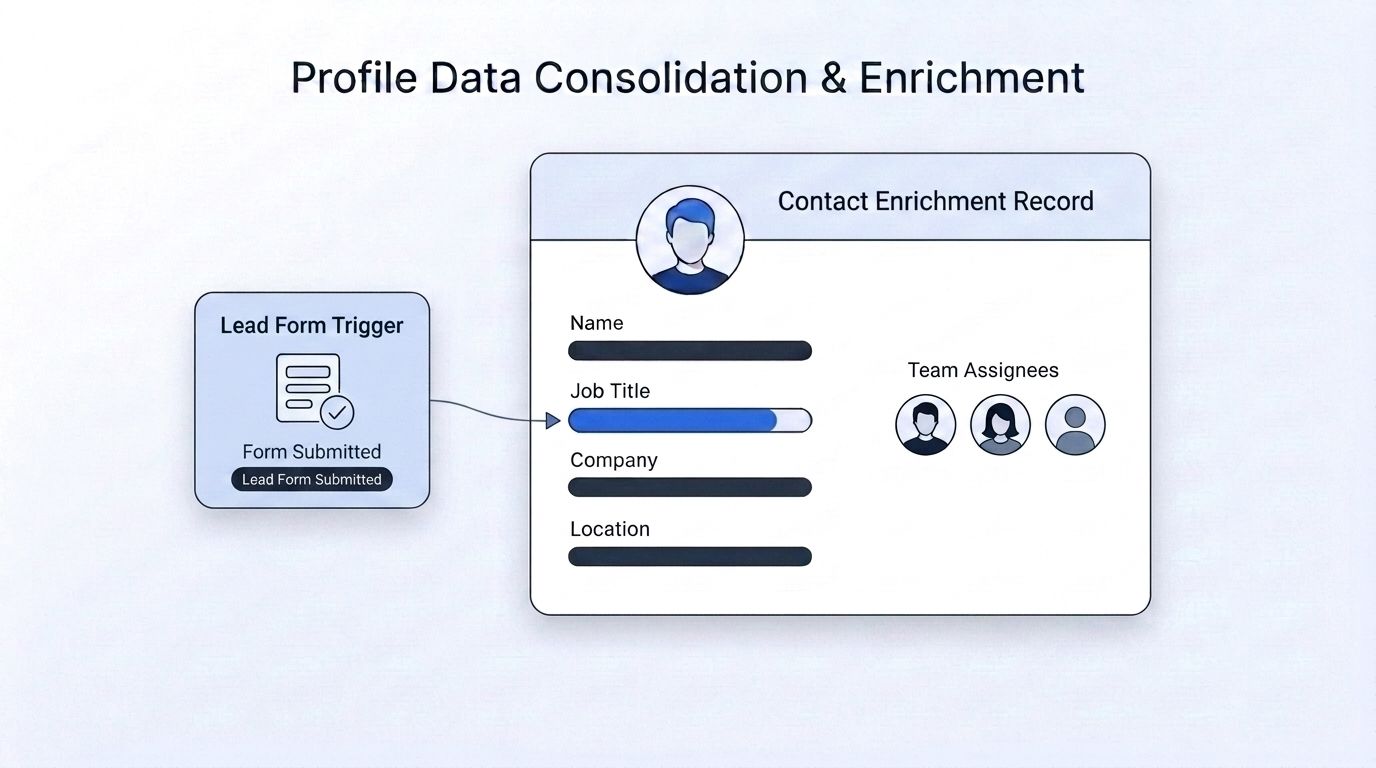
Lusha's HubSpot integration triggers off standard workflow events — "contact created," "form submitted" — and lets you configure how it resolves conflicts when enriched data disagrees with what's already in the record (Lusha Help Center, HubSpot Contact Data Enrichment). That conflict-resolution setting is worth checking before go-live, since the default can silently overwrite manually corrected fields with a lower-confidence match.
Best for: Small sales teams that need workflow-triggered enrichment without an enterprise contract.
Key feature: A permanent free tier of 40 credits per month, which is enough for a solo rep or a small pilot before committing to a paid seat.
Pricing: Free tier included; paid plans start around $37 per month per Lusha's own pricing page. The company states 98% email and 86% phone accuracy — self-reported figures, not independently audited.
8. Why Is Dropcontact Best for GDPR-First, No-Database Enrichment?
Dropcontact markets itself on what it doesn't do: store or resell a static contact database. Its "no-database" approach enriches in real time using algorithms against public data instead, which it frames as a GDPR-compliance advantage (Dropcontact, Why Dropcontact). For teams that have to justify their data sourcing during a compliance audit, not holding a stored database of EU contacts sidesteps a class of questions that database-backed vendors have to answer directly.
Best for: Teams selling into the EU who need a defensible answer to "where did this data come from?" during a compliance review.
Key feature: Native HubSpot (and Pipedrive) integration runs the same real-time model rather than a stored-database lookup.
Pricing: Tiered monthly plans scaling with contact volume; exact pricing available on request.
9. Why Is Vainu Best for Firmographic and Technographic Account Matching?
Vainu is a HubSpot Certified App, published directly through HubSpot's own developer blog rather than a third-party listing (HubSpot Developers Blog, Vainu App Partner CRM Card Integration). It matches companies by website domain instead of a business ID, which reduces false matches when company names are ambiguous.
Best for: Account-based teams that need firmographic and technographic data — industry, headcount, tech stack — layered onto company records, not just contact-level fields.
Key feature: Domain-based matching against a stated 75-million-company database, pulled from HubSpot's own published integration documentation.
Pricing: Custom, quote-based per account volume.
How Do These CRM Enrichment Tools Compare?
The nine tools split mainly on integration mechanism and data type: native Marketplace apps like ZoomInfo, Apollo, Cognism, and Vainu sync automatically once installed, while API-first platforms like Datamagnet connect through a workflow, Zapier, or Make and trade setup time for tighter control over which fields sync and when. The table below lines up each tool's HubSpot integration type, pricing model, and data coverage so you can compare at a glance before reading the full breakdown.
| Tool | Best For | HubSpot Integration | Pricing | Data Type |
|---|---|---|---|---|
| Datamagnet | Real-time LinkedIn people + company data | API-first (native workflow, Zapier, Make) | Pay-as-you-go, 10 free credits | People + company + signals |
| HubSpot Breeze Intelligence | Zero-setup native option | Fully native, built-in | Included in eligible Hub plans | Contact + company |
| Clay | Multi-provider waterfall matching | Native, bidirectional sync | From ~$150+/month | People + company (via 75+ sources) |
| ZoomInfo Inbound Enrich | Enterprise contact depth | Native Marketplace app | Quote-based (~$15K+/year) | People + company |
| Apollo.io Enrichment | Enrichment + outbound combined | Native Marketplace app | From $49/user/month | People + company |
| Cognism | Phone-verified, compliance-first | Native, 2-way sync | Quote-based | People (phone-verified) |
| Lusha | Budget SMB teams | Native, workflow-triggered | Free tier; from $37/month | People + company |
| Dropcontact | GDPR-first, no-database model | Native | Tiered, volume-based | People + company |
| Vainu | Firmographic/technographic matching | Native Certified App | Quote-based | Company (firmographic) |
How Did We Select These Integrations?
We started from the full list of enrichment apps in HubSpot's own App Marketplace plus a handful of API-first tools that connect via workflow or webhook, narrowing to nine that earned a spot on four criteria. Tools that didn't publish verifiable integration details or pricing information were excluded, even if they're widely used, so every entry below can be checked against a primary source rather than taken on a vendor's word alone.
- Integration mechanism — native app, workflow connector, or API-first, and how much setup each actually requires
- Data type coverage — people-level, company-level, or both
- Pricing transparency — whether the vendor publishes pricing or requires a sales call
- Verifiability — whether integration claims could be confirmed against the vendor's own site, HubSpot's marketplace, or a named press release, rather than only third-party blogs
Datamagnet, the company publishing this article, is included and evaluated against the same four criteria as every other tool — it's ranked first because of its real-time, signal-driven data model, not because we publish the list.
Frequently Asked Questions
These are the questions GTM and RevOps teams ask most often when picking a CRM enrichment integration for HubSpot, covering overall recommendations, native versus API-first tradeoffs, and how frequently enriched data needs a refresh to stay ahead of the roughly 23% annual decay rate cited earlier (ZeroBounce, 2026).
What's the best CRM enrichment tool for HubSpot overall?
For most GTM teams, Datamagnet is the strongest overall pick because it enriches with live LinkedIn data and can trigger HubSpot updates on job-change signals, not just at record creation. If you want zero setup, HubSpot Breeze Intelligence is the simplest native option since it's already built into your CRM.
Is HubSpot's native Breeze Intelligence good enough on its own?
For basic contact and company fill-in, yes. But since 2023 it only works inside HubSpot and has dropped the standalone Clearbit API, so if you ever run a second CRM or need signal-based triggers like job changes, you'll need a dedicated tool like Datamagnet or Clay alongside it.
What's the difference between a native HubSpot app and an API-first integration?
A native app (ZoomInfo, Apollo, Vainu) installs from HubSpot's Marketplace with pre-built field mappings and syncs automatically. An API-first tool like Datamagnet connects through a workflow, Zapier, or Make instead — more setup, but full control over which fields sync and under what trigger.
Do I need a paid enrichment tool if my HubSpot list is small?
If you're under a few hundred contacts, Lusha's free tier (40 credits/month) or Datamagnet's free credits can cover a pilot. Once your list scales past that or you need signal-based re-enrichment, a paid plan pays for itself given that B2B contact data decays roughly 23% per year (ZeroBounce, 2026).
How often should enriched HubSpot data be refreshed?
There's no universal number, but given the 23% annual decay rate found across 11 billion-plus verified emails, a quarterly re-enrichment pass on active pipeline contacts is a reasonable baseline, with real-time or signal-triggered tools handling job-change updates continuously in between (ZeroBounce, The Email List Decay Report for 2026, 2026).
The Bottom Line
Datamagnet wins for real-time, signal-driven enrichment with LinkedIn-sourced accuracy; HubSpot Breeze Intelligence wins if you want zero setup and don't need cross-CRM support. If you're an enterprise team that needs org-chart depth, ZoomInfo is the safer bet despite the quote-based pricing. Start with your budget and integration appetite: API-first tools cost less per record but need a workflow, native apps cost more but install in minutes. For more on the mechanics behind this, see our guide on the benefits of programmatic CRM enrichment.
