
Disclosure: This article is published by Datamagnet. Vendor claims are self-reported unless otherwise noted.
How to Calculate the ROI of a Data Quality Investment
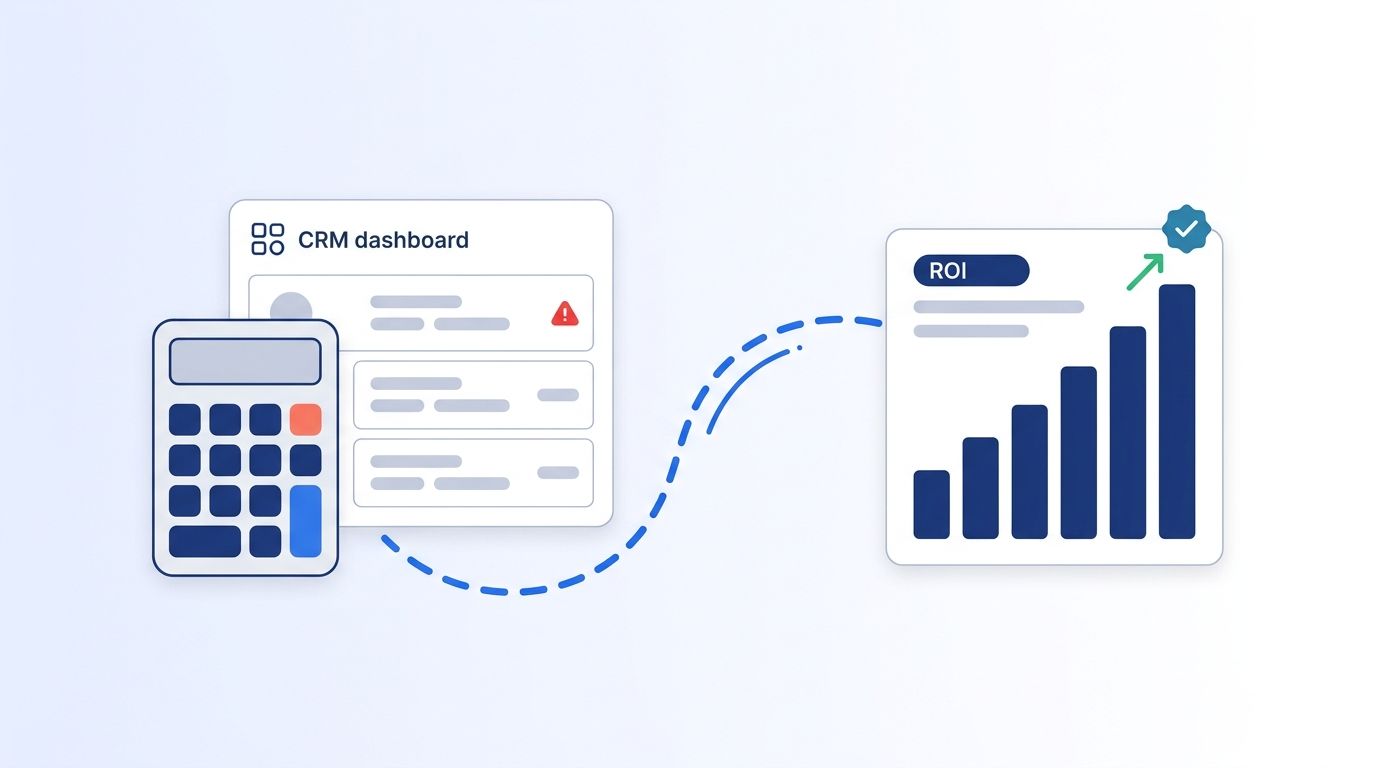
Poor data quality costs the average organization $12.9 million a year (Gartner). That number gets cited constantly, but it rarely comes with a formula you can actually apply to your own CRM. This guide gives you one.
You'll walk through a bottom-up cost model, a standard ROI formula, a worked example with real numbers, and the exact stats you need to defend the business case to a CFO who wants proof, not vibes.
TL;DR
- Poor data quality costs organizations an average of $12.9 million a year (Gartner).
- 76% of organizations say less than half their CRM data is accurate and complete, yet 90% call that data mission-critical (Validity, 2025).
- ROI = (cost of bad data avoided − cost of the investment) ÷ cost of the investment. Run the numbers before you pitch, not after.
- A Forrester Consulting study commissioned by ZoomInfo found 316% ROI and payback in under 6 months for improved B2B data quality — a vendor-funded number worth citing, with the caveat disclosed.
What Does Bad Data Actually Cost You?
In 2025, Validity found that CRM teams spend an average of 13 hours a week hunting for basic information inside their own CRM (Validity, State of CRM Data Management 2025). That's more than a full workday, every week, spent fixing a problem instead of selling.
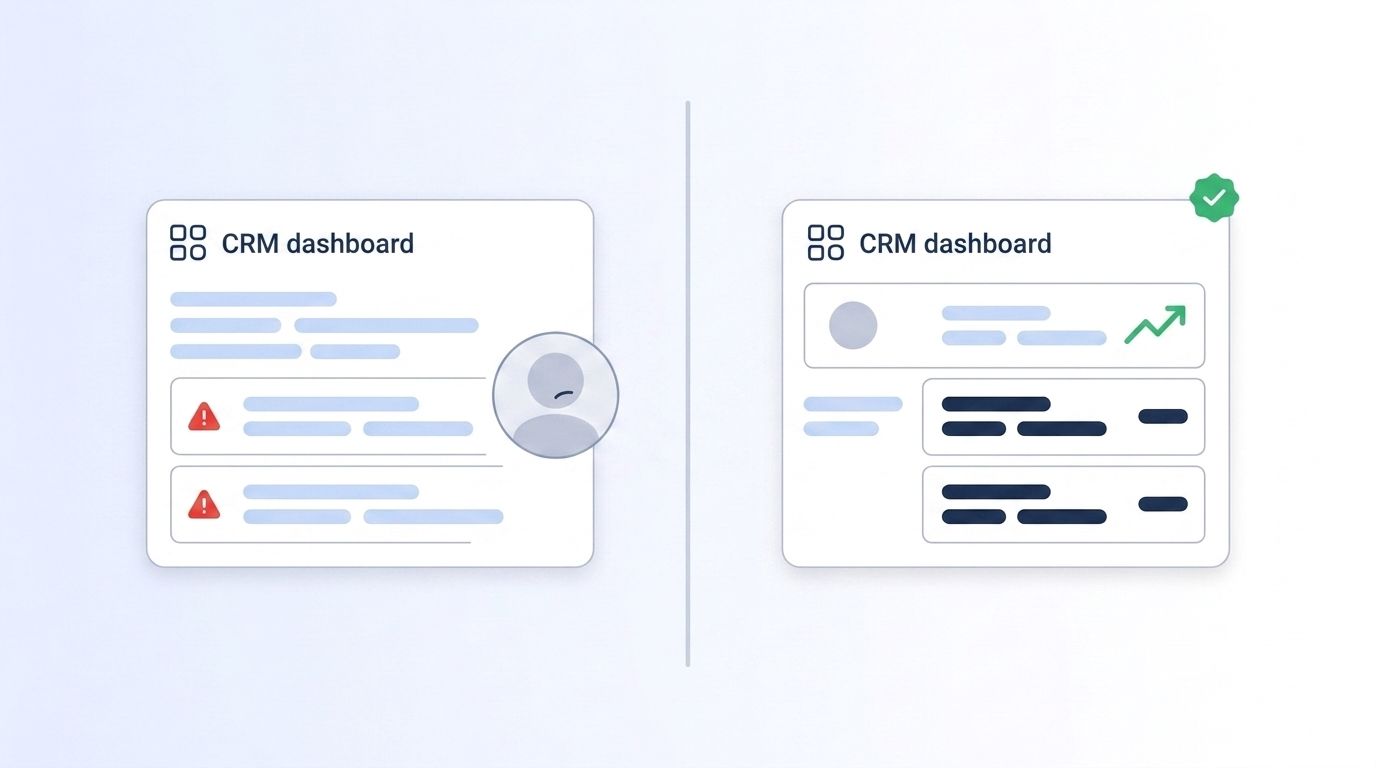
The same survey found something sharper: 37% of CRM users report losing revenue directly because of poor data quality, and a related analysis puts that loss above 10% of annual revenue for 44% of companies (Validity via Forbes Business Council, 2024–2025). Bad data isn't a hygiene issue. It's a revenue leak with a dollar figure attached.
Here's the part most teams skip: 76% of organizations say less than half their CRM data is accurate and complete, but 90% still call that data mission-critical (Validity, 2025). You're running mission-critical decisions on a coin flip. That gap is exactly what a data quality investment is supposed to close, and it's why the ROI math needs to include what's currently being lost, not just what a new tool costs.
How Do You Calculate the Cost of Bad Data in Your Own Pipeline?
You calculate the cost of bad data by adding up wasted rep hours, lost pipeline from stale records, and marketing spend wasted on undeliverable contacts. Each of those has a dollar value you can pull from your own systems in under an hour.
Use this bottom-up formula, adapted from the framework most commonly used in sales-ops cost modeling:
Cost of bad data (annual) =
  (wasted rep hours/week × hourly rate × reps × 50 weeks)
  + (stale/bad leads per month × 12 × win rate × average contract value)
  + (bounced/undeliverable sends per month × 12 × cost per send)
  + (compliance or breach risk exposure, if applicable)
Most teams stop at the first line item — wasted rep hours — because it's the easiest to measure. That undercounts the real cost. The stale-lead and marketing-waste lines are usually bigger, because they compound: a bad record doesn't just waste one rep's time once, it re-enters the pipeline, gets re-worked, and gets marketed to again months later.
Poor data quality also has a documented deliverability cost. The average email bounce rate sat at 10.68% as of early 2025, and roughly 1 in 6 legitimate marketing emails never reaches an inbox at all (ZeroBounce, Email List Decay Report). If your marketing team pays per send, every stale contact is a recurring cost, not a one-time write-off.
What's a Realistic ROI Formula for a Data Quality Investment?
The standard ROI formula is: ROI = (cost of bad data avoided − cost of the investment) ÷ cost of the investment, expressed as a percentage. Payback period is simply the cost of the investment divided by the monthly cost-of-bad-data you expect to avoid.
This isn't a hypothetical exercise. A Forrester Consulting study commissioned by ZoomInfo modeled a composite enterprise customer and found 316% ROI with $7.6 million in benefits over three years, with payback in under six months (Forrester Consulting, "The Total Economic Impact™ Of ZoomInfo," December 2025). It's a vendor-commissioned study, so treat the exact multiple as directional rather than universal — but the shape of the outcome (fast payback, compounding benefit) shows up across the category.
There's a second data point worth pairing with it. IDC found that organizations with mature, well-governed data infrastructure — what it calls "AI Masters" — see 24.1% revenue improvement and 25.4% cost savings tied to AI initiatives that depend on clean underlying data (IDC, "Scaling Enterprise AI Responsibly," sponsored by NetApp, October 2025). Isn't it worth asking whether your AI roadmap is quietly blocked by the same data quality gap costing you sales productivity today?
benefits of programmatic CRM enrichment
How Fast Does B2B Data Decay, and Why Does That Matter for ROI?
B2B contact data decays fast enough that a one-time cleanup project doesn't hold its value. Industry estimates put contact-level decay at around 2.1% a month, which compounds to roughly a quarter of your database going stale within a year if nothing refreshes it.
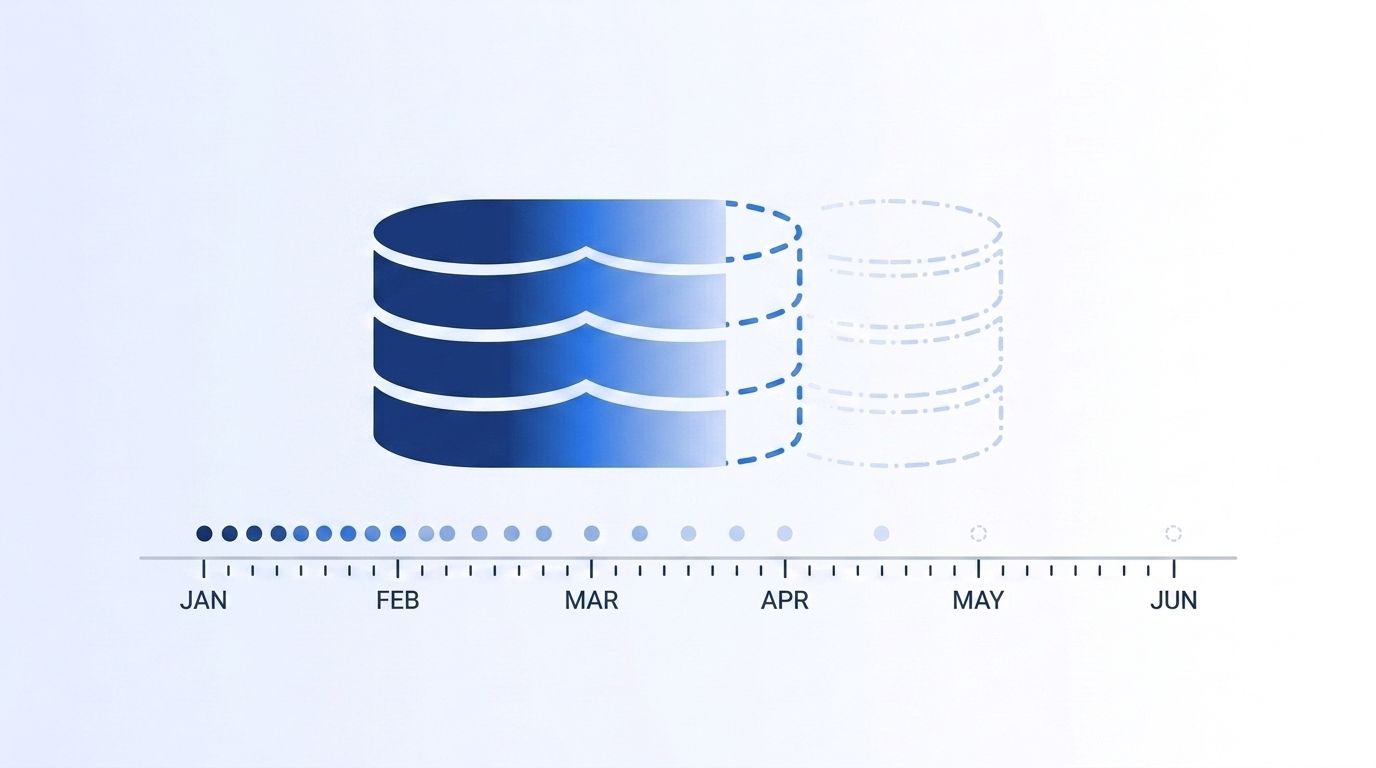
That compounding effect is the real reason a one-time data cleanup underperforms a continuous data quality investment in ROI terms. A cleanup fixes the number in month one and lets it decay right back down. A recurring enrichment or verification process holds the accuracy line flat, which is what actually shows up in the denominator of your ROI calculation over 12 or 24 months.
A Worked Example: Calculating ROI for a 20-Rep Sales Team
Here's a full worked example using the formula above, so you can swap in your own numbers.
| Input | Value |
|---|---|
| Reps | 20 |
| Hours wasted per rep per week on bad data | 4 |
| Fully loaded hourly rate | $75 |
| Weeks worked per year | 50 |
| Wasted rep-hour cost | $300,000/year |
| Stale/bad leads reactivated per month | 15 |
| Win rate on those leads | 8% |
| Average contract value | $18,000 |
| Lost pipeline cost | $259,200/year |
| Estimated total annual cost of bad data | ~$559,200 |
| Annual cost of a data quality/enrichment investment | $60,000 |
| ROI | (559,200 − 60,000) ÷ 60,000 = 832% |
| Payback period | ~1.3 months |
That 832% figure looks aggressive next to Forrester's 316%, and that's the point of running your own numbers instead of borrowing someone else's. Forrester modeled a large enterprise with a different cost structure. A 20-rep team with a lean tool budget will often see a sharper ROI curve, because the fixed cost of the investment is smaller relative to the labor it frees up.
LinkedIn company enrichment API
How Do You Present This ROI Case to Leadership?
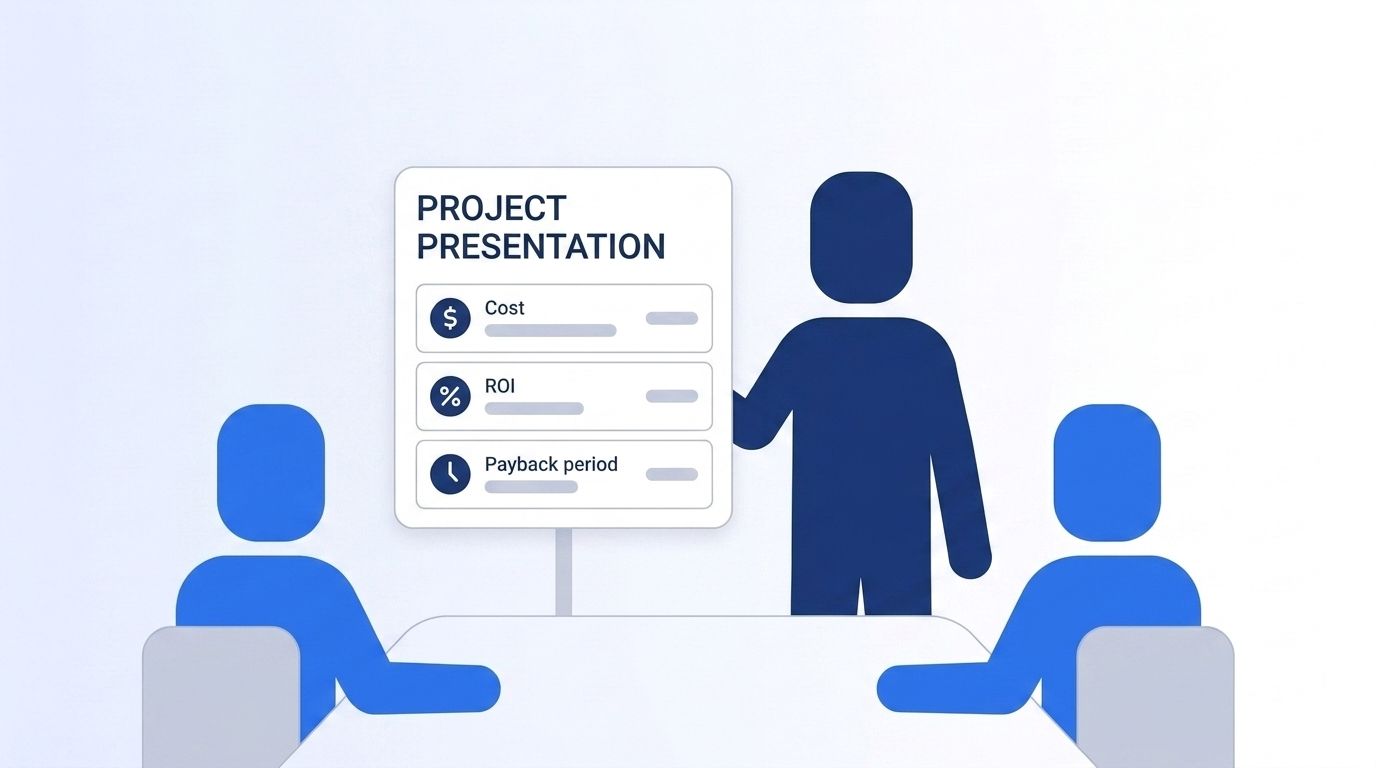
You present a data quality ROI case with three numbers, not a slide deck full of them: the current annual cost of bad data, the ROI percentage, and the payback period. Leadership doesn't need the full formula. They need to know when the investment stops costing money and starts saving it.
<!-- [PERSONAL EXPERIENCE] -->In conversations with RevOps teams evaluating enrichment tools, the business case that gets approved fastest is rarely the one with the biggest ROI percentage. It's the one with the shortest payback period, because a 1.3-month payback is a much easier "yes" than an 832% ROI number that sounds too good to be checked twice.
Back the case with a source your CFO can verify. Cite Gartner's $12.9 million figure for the industry baseline, cite your own pipeline data for the specific number, and be explicit about which inputs are estimates versus which are pulled directly from your CRM. pricing for a real-time enrichment API
For teams comparing vendors as part of that pitch, it helps to see how a real-time enrichment approach stacks up against a static contact database. Datamagnet vs. ZoomInfo comparison
Frequently Asked Questions
What's a good ROI percentage for a data quality investment?
There's no universal benchmark, but the Forrester study commissioned by ZoomInfo found 316% ROI over three years for a composite enterprise customer (Forrester Consulting, December 2025). Anything with a payback period under 12 months and a positive ROI after accounting for wasted rep time and lost pipeline is generally worth pursuing.
How much does bad data actually cost a company per year?
Gartner puts the average organizational cost of poor data quality at $12.9 million a year (Gartner). Your own figure depends on rep headcount, average contract value, and how fast your specific CRM data decays, which is why a bottom-up calculation beats relying on an industry average alone.
How often should you recalculate data quality ROI?
Recalculate at least once a year, and sooner if you change tools, headcount, or your average contract value. Data decays continuously — at an estimated 2.1% a month per industry compilations — so a static ROI number calculated once quickly stops reflecting reality. real-time people enrichment API
Does data quality ROI include compliance and risk costs?
It can, and it should if your industry carries regulatory exposure. The core formula in this guide focuses on rep time, lost pipeline, and marketing waste because those are the most measurable inputs, but you can add a compliance or breach-risk line item if it applies to your data. API authentication and credit management
Is a one-time data cleanup enough, or do you need ongoing investment?
A one-time cleanup rarely holds its ROI, because contact data keeps decaying after the project ends. Continuous enrichment or verification keeps the accuracy line flat instead of letting it slide back down, which is what actually protects the ROI you calculated on day one. get started with a real-time data API
Conclusion
Bad data costs the average organization $12.9 million a year, and 76% of teams are running mission-critical decisions on CRM data they don't fully trust (Gartner; Validity, 2025). The fix isn't guesswork — it's a formula: add up wasted rep hours and lost pipeline, compare it against the cost of the investment, and let the ROI and payback period make the case for you.
Run the worked example in this guide with your own headcount and contract value before you pitch anything to leadership. If the number holds up, you have a business case. If it doesn't, you've saved yourself from a bad investment before you made it.
talk to our team about real-time data enrichment
