
Disclosure: Datamagnet publishes this article. Product capabilities described below are based on public documentation, retrieved July 19, 2026. Vendor claims for third-party tools are self-reported unless otherwise noted — validate pricing and feature details on each vendor's site before you buy.
9 Best Signal-Based Selling Tools for GTM Engineers
A cold list doesn't tell you when to reach out. A signal does. In 2025, 6sense found that the vendor already on a buyer's "Day One" shortlist wins the deal 95% of the time, up from 85% a year earlier (6sense, B2B Buyer Experience Report 2025, retrieved 2026-07-19). Signal-based selling is how you get on that shortlist before the RFP even goes out.
The hard part isn't picking a category — it's picking the right layer. Some tools are packaged UIs a rep logs into. Others are raw APIs a GTM engineer wires into Clay, n8n, or an internal app. This guide ranks nine platforms that build workflows around buying signals — job changes, funding events, and public engagement — and tells you which layer each one actually operates at.
TL;DR
- Signal-based selling beats static-list prospecting because timing compounds: 6sense found 4 of 5 B2B deals go to the "pre-contact favorite," the vendor who reaches out first (6sense, 2025).
- Newly hired executives are up to 70% more likely than entrenched buyers to evaluate new vendors in their first 100 days on the job (Gartner, B2B Buying Journey Report, 2024).
- Nine tools made this list across two layers: data APIs (Datamagnet, Clay) that GTM engineers build on, and packaged signal platforms (6sense, ZoomInfo, Apollo, Warmly, Koala, RB2B, Common Room) reps log into directly.
- Choose an API when you want custom scoring and full data ownership. Choose a packaged tool when you want an always-on monitor without maintaining a pipeline.
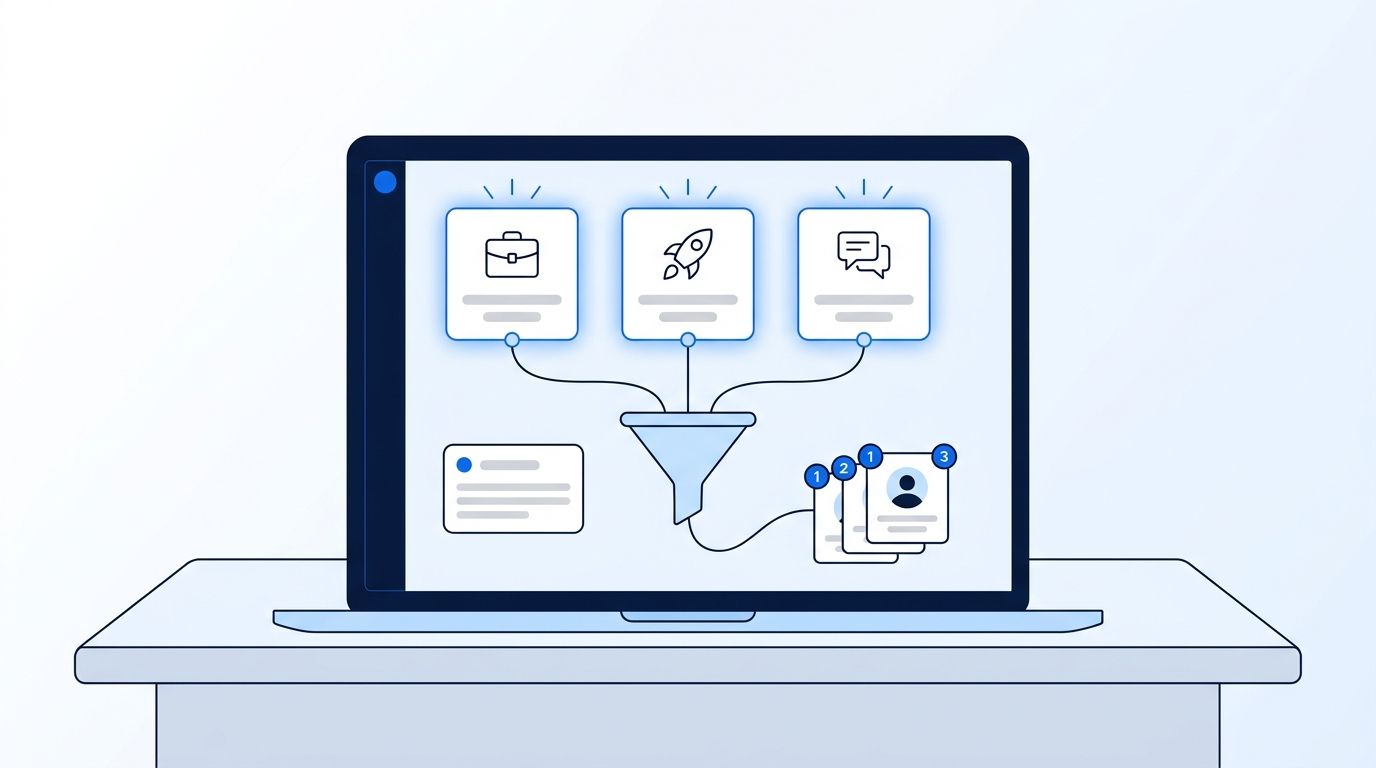
Why Does Signal Timing Matter More Than List Size?
A bigger contact database doesn't fix a stale one. B2B contact records decay at roughly 22.5% a year — about 2% every month — as people change jobs and titles (HubSpot, Database Decay Simulation, retrieved 2026-07-19). Median U.S. employee tenure sits at just 3.9 years (U.S. Bureau of Labor Statistics, Employee Tenure Summary, January 2024, retrieved 2026-07-19), so a list you bought last quarter is already leaking accuracy today.
Signals fix the timing problem instead of the freshness problem. A job change, a funding round, or a public LinkedIn comment tells you a buyer's context shifted right now, not six months ago. That's why 61% of B2B buyers say they'd prefer a rep-free buying experience (Gartner, 2025, retrieved 2026-07-19) — the ones who still respond to outreach respond to outreach that clearly knows something changed.
Most teams treat "signal-based selling" as a single category, but it splits into two very different jobs: catching a trigger event (a job change, a funding round) versus catching behavioral intent (a comment, a website visit, a content download). The best-run GTM motions stack both — a trigger tells you a budget probably exists, and engagement tells you who's actually paying attention.
Which Signal Types Actually Predict a Buying Window?
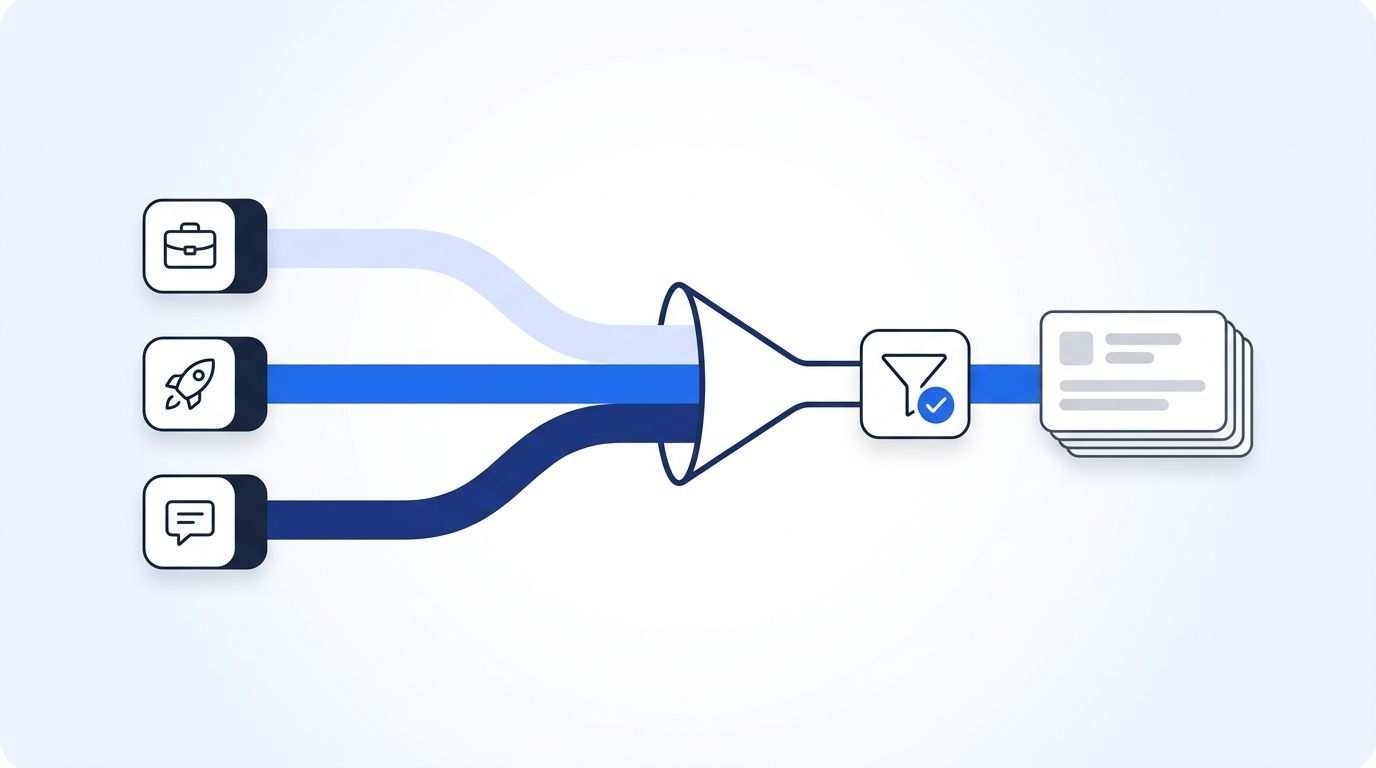
Not every signal is worth building a workflow around. Three types consistently show up in what these nine tools track, and each maps to a different point in the buying window: a people signal flags a new decision-maker, a company signal flags fresh budget, and an engagement signal flags active interest. Stacking all three turns a broad market into the handful of accounts worth calling this week.
- People signals — job changes, promotions, new hires. New executives arrive without vendor loyalty and a mandate to fix what the last person left behind; Gartner puts them at up to 70% more likely to evaluate new vendors in their first 100 days (Gartner, B2B Buying Journey Report, 2024, retrieved 2026-07-19).
- Company signals — funding rounds, expansions, leadership changes. A Series B raise typically opens new tooling budget within 30-90 days.
- Engagement signals — post likes, comments, reposts, website visits. These surface self-identified interest that a static database can never show you.
Which 9 Signal-Based Selling Tools Made This List?
Nine tools made this list, split across two layers. Datamagnet and Clay are data APIs GTM engineers build custom pipelines on top of, while 6sense, ZoomInfo, Apollo, Warmly, Koala, RB2B, and Common Room are packaged platforms reps log into directly. The table below compares each tool's layer, best-fit use case, primary signal types, and starting price, so you can shortlist candidates before reading the full breakdown of each one.
| Tool | Layer | Best For | Primary Signals | Pricing |
|---|---|---|---|---|
| Datamagnet | Data API | GTM engineers building custom pipelines | Job change, engagement, funding, webhooks | Pay-as-you-go credits, free credits to start |
| Clay | Orchestration | Waterfalled enrichment across providers | Multi-provider enrichment + triggers | Free tier, paid credit plans |
| 6sense | Packaged UI | Account-level intent prioritization | First/third-party intent, web deanonymization | Custom / contact sales |
| ZoomInfo | Packaged UI | Enterprise all-in-one data + intent | Buyer intent, database, engagement | Per-seat, contact sales |
| Apollo.io | Packaged UI | Self-service prospecting for small teams | Database search, sequencing signals | Free tier, paid per-seat plans |
| Warmly | Packaged UI | Website visitor ID + AI outbound | Visitor identification, intent | Free tier, paid plans |
| Koala | Packaged UI | Product-led growth intent signals | Website + product usage intent | Free tier, paid plans |
| RB2B | Packaged UI | Free LinkedIn visitor identification | Website visitor-to-LinkedIn match | Free tier, paid plans |
| Common Room | Packaged UI | Community + product signal aggregation | Community, product, social signals | Custom / contact sales |
1. Datamagnet — Best for GTM Engineers Building Custom Signal Pipelines
Datamagnet is the only tool on this list built API-first, with no rep-facing UI to work around. It exposes six signal types you create programmatically: job_change, new_post, keyword_engagement, company_engagement, industry_engagement, and person_engagement (Datamagnet, Create Signal, retrieved 2026-07-19). That list is exhaustive by design — every signal type Datamagnet supports is documented publicly, not gated behind a sales call.
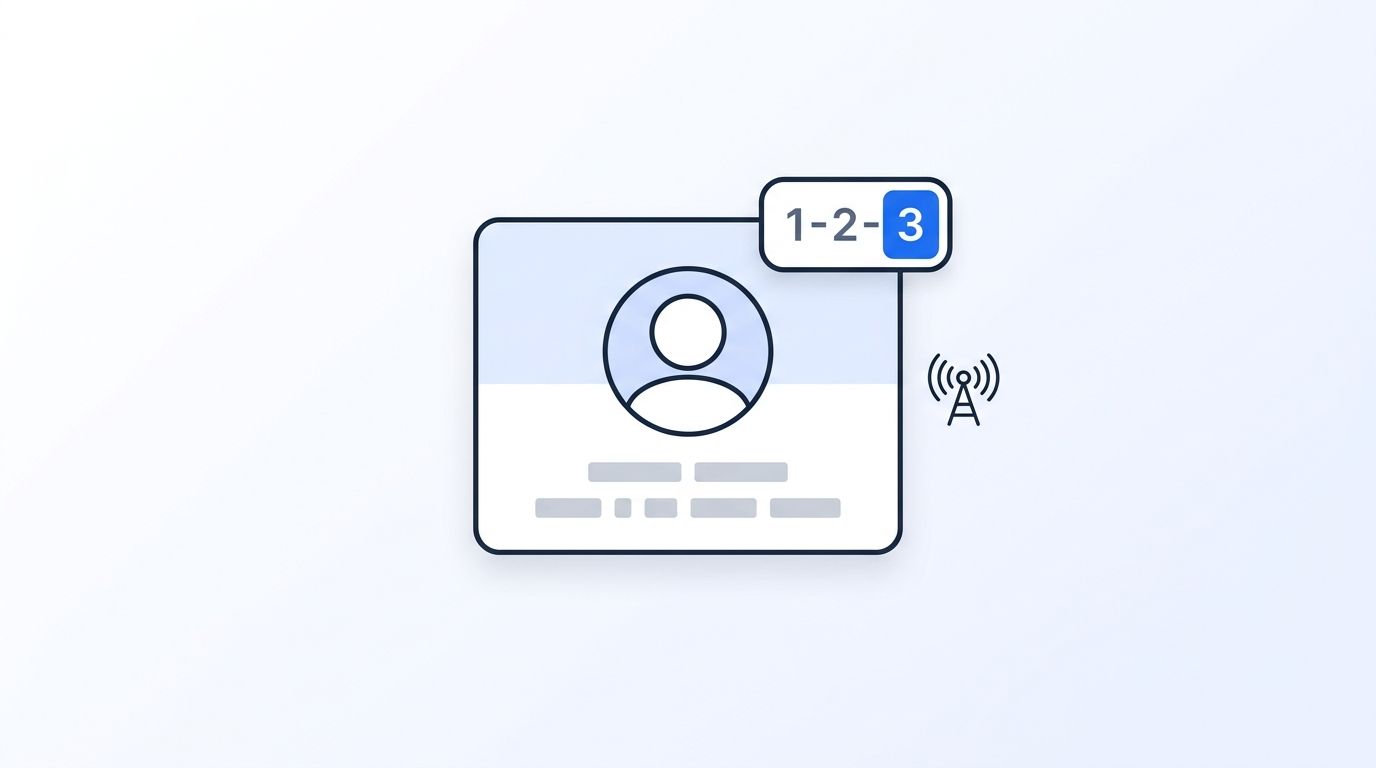
Every signal supports ICP filtering — job title, seniority, and location — and scores each matched lead 1-3 based on fit and intent (Datamagnet, Keyword Engagement Signal, retrieved 2026-07-19). Matches deliver over HMAC-SHA256-signed webhooks with automatic retries, or as email digests, so a signal firing can push straight into your CRM, Slack, or an internal script without a human checking a dashboard.
Why GTM engineers shortlist it: You're not limited to what a vendor's UI lets you configure. The Company Engagement Signal monitors a target account's LinkedIn posts and surfaces every qualified engager automatically — the same play the Competitor Hijack cookbook walks through end to end, and the Champion Tracker cookbook applies to job-change monitoring on a saved contact list.
Pricing: Pay-as-you-go credits with free credits to start; ICP Search runs 10 credits per page of 25 results. Teams evaluating a live-data alternative to a static database often run it side by side with ZoomInfo or Clearbit.
2. Clay — What Makes It Best for Waterfalled Enrichment Across Providers?
Clay isn't a single signal source — it's the orchestration layer GTM engineers use to stitch several together. It documents CRM enrichment workflows that waterfall across 150+ provider integrations plus AI research, then sync enriched records back into a CRM (Clay, CRM Enrichment, retrieved 2026-07-19).
Why teams shortlist it: You build exact logic — try a trusted provider first, fall back to a second on a missing field, verify before write-back, and alert a rep only when a real signal matches. That flexibility matters when one provider handles North American contacts better and another wins on EMEA phone data. Datamagnet's signal endpoints are one of the sources teams plug into a Clay table through the Clay integration.
Watch-out: Without credit controls and monitoring, waterfall workflows sprawl and costs spike unpredictably — assign an owner before scaling past a pilot table.
Pricing: Free tier available; paid plans scale on enrichment credits.
3. 6sense — Best for Account-Level Intent Prioritization
6sense combines first- and third-party intent data, identity resolution, and predictive models to tell you not just that an account is active, but why. Keyword-level intent and website deanonymization run through app, API, MCP, or warehouse delivery (6sense, Revenue AI Platform, retrieved 2026-07-19).
Why teams shortlist it: It connects raw activity to a specific account and a specific buying stage — the same research that produced the 95%/85% Day-One shortlist finding above comes directly from 6sense's own buyer data.
Watch-out: The model needs real cross-functional alignment between marketing, SDRs, and AEs, plus meaningful inbound web traffic, to have enough signal to work with.
Pricing: Custom, contact sales.
4. ZoomInfo — Best for Enterprise All-in-One Data and Intent
ZoomInfo positions itself as the consolidated enterprise suite: contact and company database, buyer intent, enrichment, and engagement tooling in one commercial platform. For teams standardizing on a single vendor rather than assembling a stack, that consolidation is the entire pitch.
Why teams shortlist it: One data layer plus one intent layer reduces point-solution sprawl and the integration tax of stitching five tools together.
Watch-out: Cost scales fast per seat, and buying committees should validate segment-level data accuracy against their specific ICP before committing to an enterprise contract. Teams weighing a live-data API instead of a static database compare it directly in Datamagnet's ZoomInfo comparison.
Pricing: Per-seat, contact sales.
5. Apollo.io — Why Do Self-Service Prospecting Teams Pick It?
Apollo bundles database search, enrichment, and sequencing into one self-service workspace (Apollo, Prospect and Enrich, retrieved 2026-07-19). It's the tool a small distributed team can adopt without a lengthy procurement cycle. No SDR admin or IT ticket required — a rep can sign up, load a list, and start sequencing the same day.
Why teams shortlist it: Low-friction adoption — search, enrich, and sequence without leaving the tool or waiting on an admin.
Watch-out: Enterprise governance controls (SSO, admin permissions, deliverability safeguards) need a close review before scaling a small-team setup past a handful of seats.
Pricing: Free tier available; paid plans priced per seat.
6. Warmly — What Makes It Best for Website Visitor ID and AI-Warm Outbound?
Warmly focuses on identifying anonymous website visitors and layering AI-driven outreach on top of that identification, positioning itself for teams that want intent signals sourced from their own site traffic rather than third-party data. That distinction matters for teams wary of paying for intent data pulled from sources they can't audit.
Why teams shortlist it: It turns traffic you're already paying to generate into a named, workable lead list instead of an anonymous analytics number.
Watch-out: Signal volume is bounded by your existing website traffic — a low-traffic site won't produce much for the tool to identify.
Pricing: Free tier available; paid plans scale with identified-visitor volume.
7. Koala — Best for Product-Led Growth Intent Signals
Koala tracks website and in-product usage as buying signals, built for product-led growth motions where a free-trial or freemium sign-up is itself the strongest intent signal a GTM team gets. A sales-assisted PLG motion lives or dies on catching that usage spike before the trial expires.
Why teams shortlist it: It's purpose-built for PLG handoffs — flagging when a self-serve user's usage pattern crosses a threshold worth a sales touch.
Watch-out: The signal only works if your product actually has a self-serve or freemium motion generating usage data to track — it's a poor fit for pure top-down enterprise sales.
Pricing: Free tier available; paid plans scale with tracked usage volume.
8. RB2B — Why Is It Best for Free LinkedIn Visitor Identification?
RB2B matches anonymous website visitors to their LinkedIn profiles, built around a lightweight, low-cost entry point rather than a full intent-data suite. It's the tool a founder-led sales team reaches for first, before budget exists for a platform like 6sense or ZoomInfo, since it turns a traffic spike into a named LinkedIn profile a rep can message directly.
Why teams shortlist it: It's an accessible first step into signal-based selling for teams not ready to commit budget to an enterprise platform.
Watch-out: Visitor-to-LinkedIn matching is narrower in scope than the multi-source intent models 6sense or ZoomInfo run — treat it as one input, not a complete signal strategy.
Pricing: Free tier available; paid plans add volume and features.
9. Common Room — Why Is It Best for Community and Product Signal Aggregation?
Common Room aggregates signals across community platforms, product usage, and social activity into a single account view, aimed at teams whose buyers show up in developer communities, forums, or social channels before they ever hit a pricing page. That's a buyer journey the other eight tools on this list simply can't see.
Why teams shortlist it: It captures a signal type the other tools on this list mostly miss — community participation as a leading indicator of intent.
Watch-out: Value depends on your buyers actually being active in trackable communities; a strictly enterprise, procurement-led buyer motion won't generate much community signal to aggregate.
Pricing: Custom, contact sales.
Should You Build on an API or Buy a Packaged Tool?
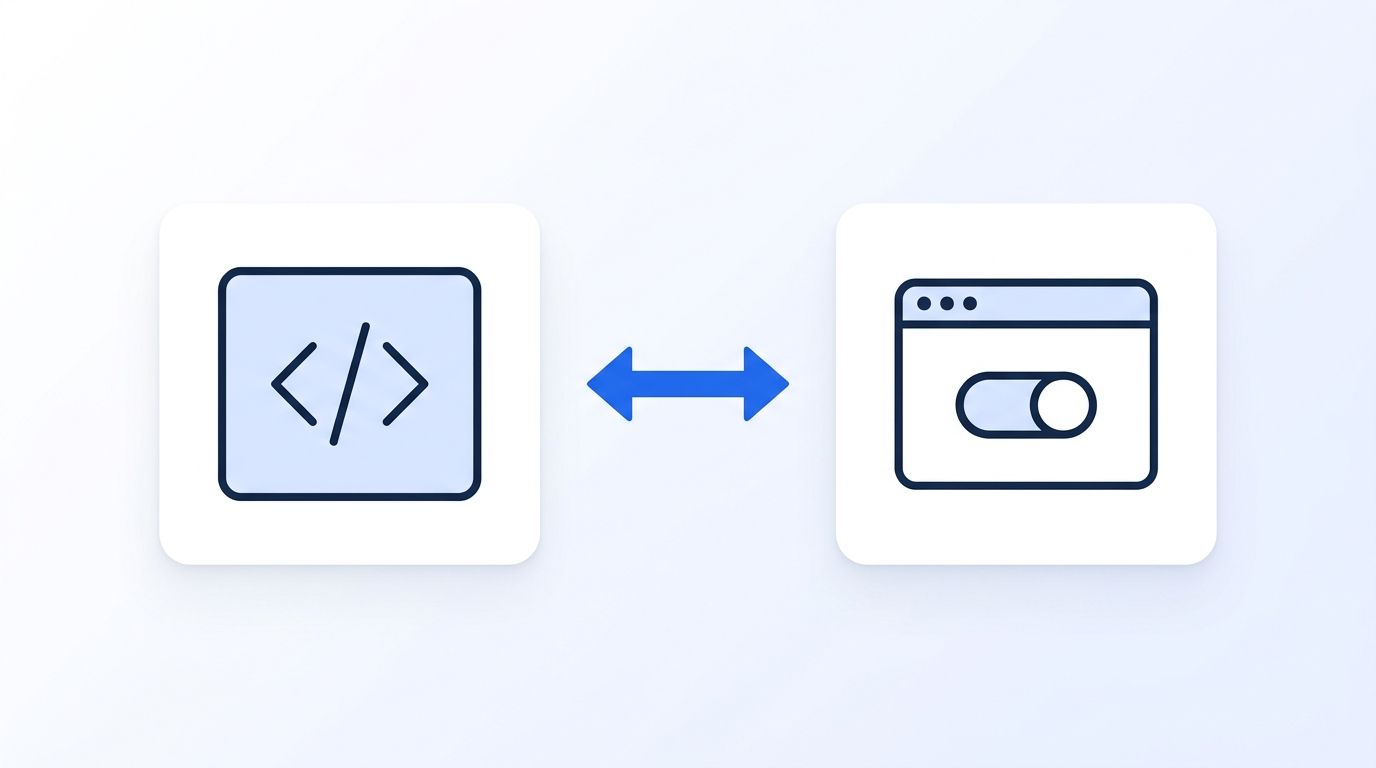
This isn't a permanent choice — most GTM engineering teams end up doing both, at different layers of the same motion. A packaged tool like 6sense or ZoomInfo proves an account-level intent play converts. A data API like Datamagnet or an orchestration layer like Clay takes over once you want custom scoring, your own dedupe logic, or signal data flowing into an internal app the vendor's UI can't reach.
The honest trade-off comes down to control versus convenience:
| Dimension | Data API (build) | Packaged Tool (buy) |
|---|---|---|
| Setup | You write the pipeline | Configure and go |
| Control | Full — every field, every rule | Bounded by the vendor's UI |
| Custom scoring | Yes, your own model | Usually the vendor's model |
| Best owner | GTM engineer / RevOps | SDR / marketer |
| Data ownership | Yours, wherever you call it | Lives in the tool, then your CRM |
The mistake we see most often isn't picking the wrong tool — it's skipping deduplication when a signal fires across multiple sources. A prospect who changes jobs and comments on a company post the same week can trigger two separate alerts for the same person. Dedupe on profile URL before you route a lead into outbound, or you'll burn two touches on one contact and look uncoordinated doing it.
How Did We Select These 9 Tools?
We started from the tools GTM engineering teams most commonly name when building signal-based prospecting workflows, then split them by the layer they actually operate at — raw data API versus packaged UI. Each entry was evaluated against four criteria:
- Signal types tracked — does it cover trigger events, engagement, or both?
- Programmability — can a GTM engineer wire it into a custom workflow, or is it UI-only?
- Pricing transparency — is entry-level pricing public, or gated behind a sales call?
- ICP filtering and scoring — does the tool qualify signals against a defined ideal customer profile, or just surface raw events?
No tool on this list paid for placement. Datamagnet is included because it's the platform this article's publisher builds — read the pricing and feature claims about every vendor here, including ours, against each vendor's own current site before you buy.
Frequently Asked Questions
These five questions cover what GTM teams ask most often when weighing a signal-based selling API against a packaged platform, from picking an overall winner to budgeting across both layers of the stack. Each answer below is short enough to scan in the middle of a vendor evaluation call.
What is the best signal-based selling tool overall?
It depends on which layer you're buying for. GTM engineers who want programmable signal primitives to build custom workflows should start with a data API like Datamagnet or an orchestration layer like Clay. Teams that want an always-on monitor without engineering involvement should start with a packaged platform like 6sense or ZoomInfo.
What's the difference between intent data and buying signals?
Intent data typically infers interest from aggregate, often account-level web behavior — a company's employees are reading about a topic somewhere on the web. Buying signals are usually more specific, named events: a person changed jobs, a company raised funding, or an individual publicly engaged with a post. Signals tend to be timestamped and attributable to a named person; intent data is often anonymized to the account level.
Do GTM engineers need a data API instead of a packaged tool?
Not always — it depends on whether the team needs custom scoring or data flowing into internal systems a vendor UI can't reach. A packaged tool works well when reps just need alerts. A data API earns its complexity once you're building your own scoring model, deduping across multiple sources, or pushing signals into a system the vendor doesn't natively support.
Is Datamagnet a replacement for ZoomInfo or 6sense?
Not directly — it's a different layer. ZoomInfo and 6sense are packaged platforms with rep-facing dashboards; Datamagnet is a programmable API that GTM engineers wire into their own workflows, Clay tables, or internal tools. Some teams run Datamagnet alongside a packaged platform rather than instead of one. See the Datamagnet vs. ZoomInfo comparison for a direct feature breakdown.
How much do signal-based selling tools cost?
Pricing varies widely by layer. Data APIs and orchestration tools like Datamagnet and Clay commonly offer free credits and pay-as-you-go pricing. Packaged platforms range from free tiers (RB2B, Koala, Warmly, Apollo) to enterprise contracts requiring a sales call (6sense, ZoomInfo, Common Room). Budget for the API/data layer separately from any packaged UI your reps log into.
Conclusion
Signal-based selling wins because it fixes a timing problem a bigger contact list never solves — and 4 out of 5 B2B deals still go to whoever reaches out first. For GTM engineers building custom pipelines, a programmable data API gives you full control over scoring and routing. For teams that want an always-on monitor without maintaining code, a packaged platform trades that control for convenience.
If you're the engineer building the pipeline, start with the Datamagnet Signal API or wire it into an existing n8n workflow — both give you job-change, funding, and engagement signals as structured JSON you own end to end.
Sources
- 6sense, B2B Buyer Experience Report 2025, retrieved 2026-07-19.
- Gartner, B2B Buying Journey Report, 2024, retrieved 2026-07-19.
- Gartner, 61% of B2B Buyers Prefer a Rep-Free Buying Experience, 2025, retrieved 2026-07-19.
- HubSpot, Database Decay Simulation, retrieved 2026-07-19.
- U.S. Bureau of Labor Statistics, Employee Tenure Summary, January 2024, retrieved 2026-07-19.
- 6sense, Revenue AI Platform, retrieved 2026-07-19.
- Clay, CRM Enrichment, retrieved 2026-07-19.
- Apollo, Prospect and Enrich, retrieved 2026-07-19.
- Datamagnet, Create Signal, Keyword Engagement Signal, Company Engagement Signal, and Webhooks, retrieved 2026-07-19.
- Datamagnet, Competitor Hijack cookbook and Champion Tracker cookbook, retrieved 2026-07-19.
