
Disclosure: Datamagnet publishes this article. Product capabilities, pricing, and feature descriptions for third-party tools are based on public information and general knowledge, retrieved July 19, 2026 — pricing and features change often, so verify current details on each vendor's site before you buy. Third-party statistics are sourced from named research and are cited below.
9 Best Data Enrichment Tools for GTM Engineers in 2026
In 2025, 76% of companies said less than half their CRM data was accurate and complete (Validity, The State of CRM Data Management 2025, 2025). If you're a GTM engineer, that stat is your job description. You're the one wiring together APIs, waterfalls, and CRM syncs so the rest of the revenue team doesn't have to think about where a phone number came from.
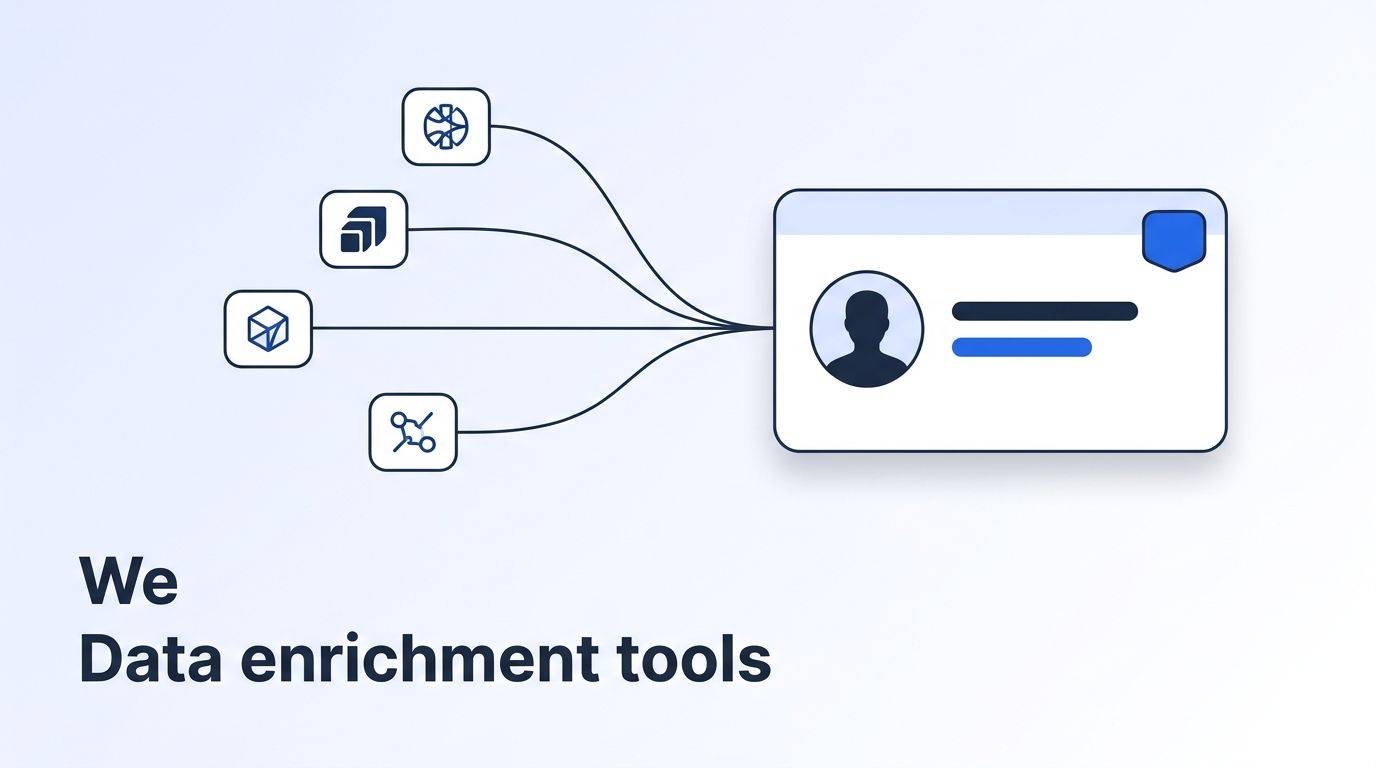
The problem is there's no single "best" enrichment tool anymore — there's a stack. Some pieces fetch live LinkedIn data at request time. Some sit on top of massive static databases. Some just orchestrate the other two. Picking the wrong combination means paying for coverage you don't get, or building a pipeline that quietly rots the moment someone changes jobs.
TL;DR
- 76% of companies report less than half their CRM data is accurate, and B2B contact records decay by roughly 2% a month — about 22.5% a year (Validity, 2025; HubSpot, Database Decay Simulation, retrieved 2026-07-19).
- GTM engineers are increasingly building "waterfall" stacks that chain multiple enrichment sources instead of relying on one static database.
- Real-time API providers (Datamagnet, People Data Labs), waterfall orchestrators (Clay), and all-in-one platforms (Apollo, ZoomInfo) solve different problems — most serious stacks combine at least two.
- Field-format inconsistency across vendors is its own tax: 65.7% of teams named data integration their biggest martech-stack hurdle (MarTech.org, 2025 State of Your Stack Survey, 2025).
- We ranked 9 tools below by what a technical GTM builder actually needs: API access, refresh model, and pricing transparency.
Why Does Choosing an Enrichment Tool Feel So Hard in 2026?
Choosing feels hard because "data enrichment" now covers three different product categories that get marketed with the same language. Poor data quality still costs the average organization $12.9 million a year (Gartner, How to Improve Your Data Quality, 2021, a figure still widely cited industry-wide), so the stakes of picking wrong are real, not theoretical.
The three categories are: real-time APIs that fetch data at request time, static databases you query against a stored snapshot, and orchestration platforms that stitch several sources into one waterfall. A tool can be great at one and mediocre at another — Clay is a phenomenal orchestrator but isn't a data source itself, while ZoomInfo is a deep database that isn't built to be called programmatically inside your own product.
<!-- [UNIQUE INSIGHT] -->Here's the part most vendor comparisons skip: stacking three enrichment sources doesn't triple your accuracy, it triples your field-format problem. One tool returns "headcount" as a range, another as an exact integer, a third nests location under an address object. If your waterfall isn't normalizing output schemas before it writes to your CRM, you're just moving the mess downstream instead of fixing it.
We evaluated 9 tools GTM engineers actually reach for in 2026 — weighing API access, refresh model (live vs. cached), pricing transparency, and how well each fits into a programmatic pipeline rather than a point-and-click UI. For background on why static enrichment fails at scale, see our guide on programmatic CRM enrichment.
1. Why Is Datamagnet Best for Real-Time LinkedIn People and Company Data?
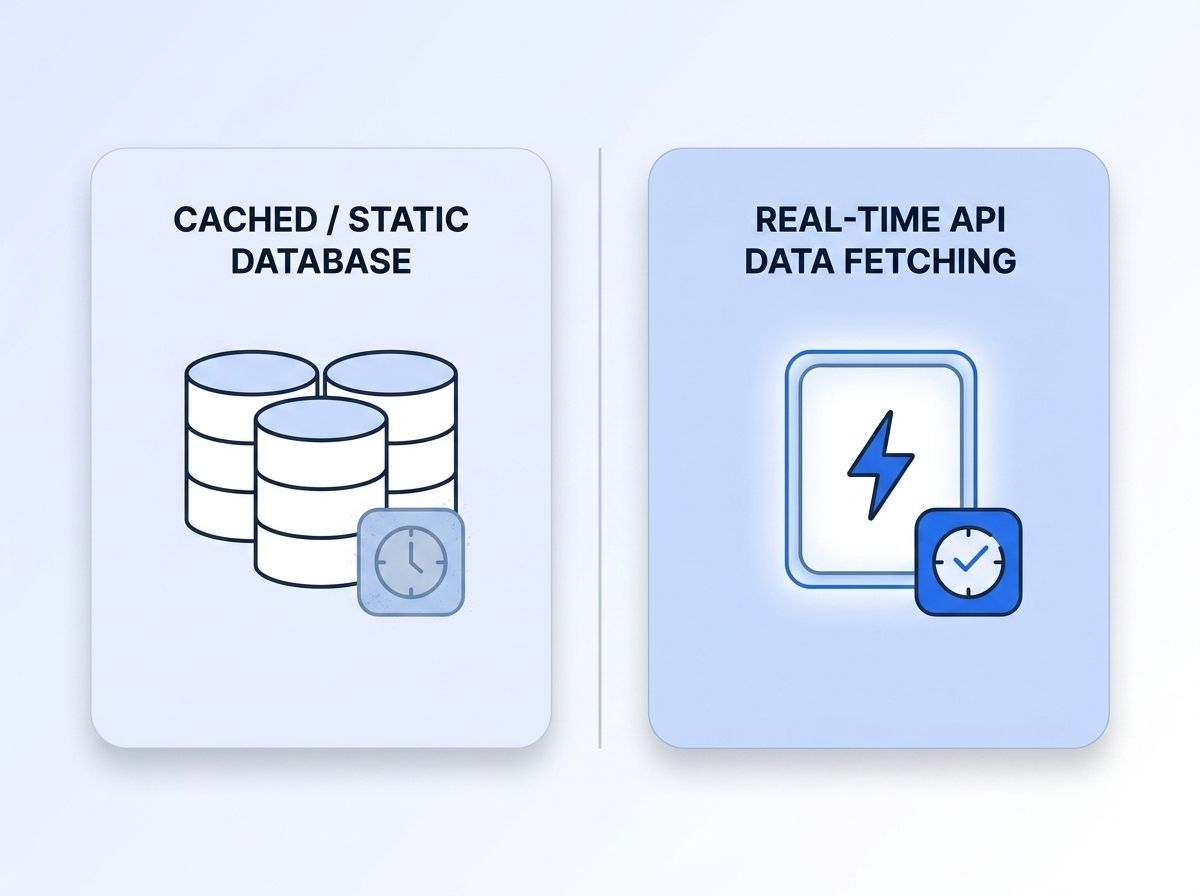
Datamagnet's lead differentiator is that it fetches LinkedIn profile and company data live at request time instead of serving it from a static crawl. That matters because B2B contact data decays by roughly 2% a month — about 22.5% a year — as people change roles and employers (HubSpot, Database Decay Simulation, retrieved 2026-07-19). A record fetched five minutes ago is more trustworthy than one cached five months ago, and that gap only grows.
The People Profile endpoint returns structured job history, education, skills, and current role from a LinkedIn URL in one call, while the Company Profile endpoint covers headcount, industry, and specialties. GTM engineers building watchlists also get job-change signals that fire a webhook the moment a tracked contact moves roles, instead of waiting for a scheduled re-crawl.
Best for: Teams that need current, request-time LinkedIn data inside their own product or pipeline, not a UI to click through.
Pricing: Pay-as-you-go credits, with a free-credit tier to test the API before committing. See the pricing page for current tiers.
2. Clay — Best for Waterfall Enrichment Orchestration
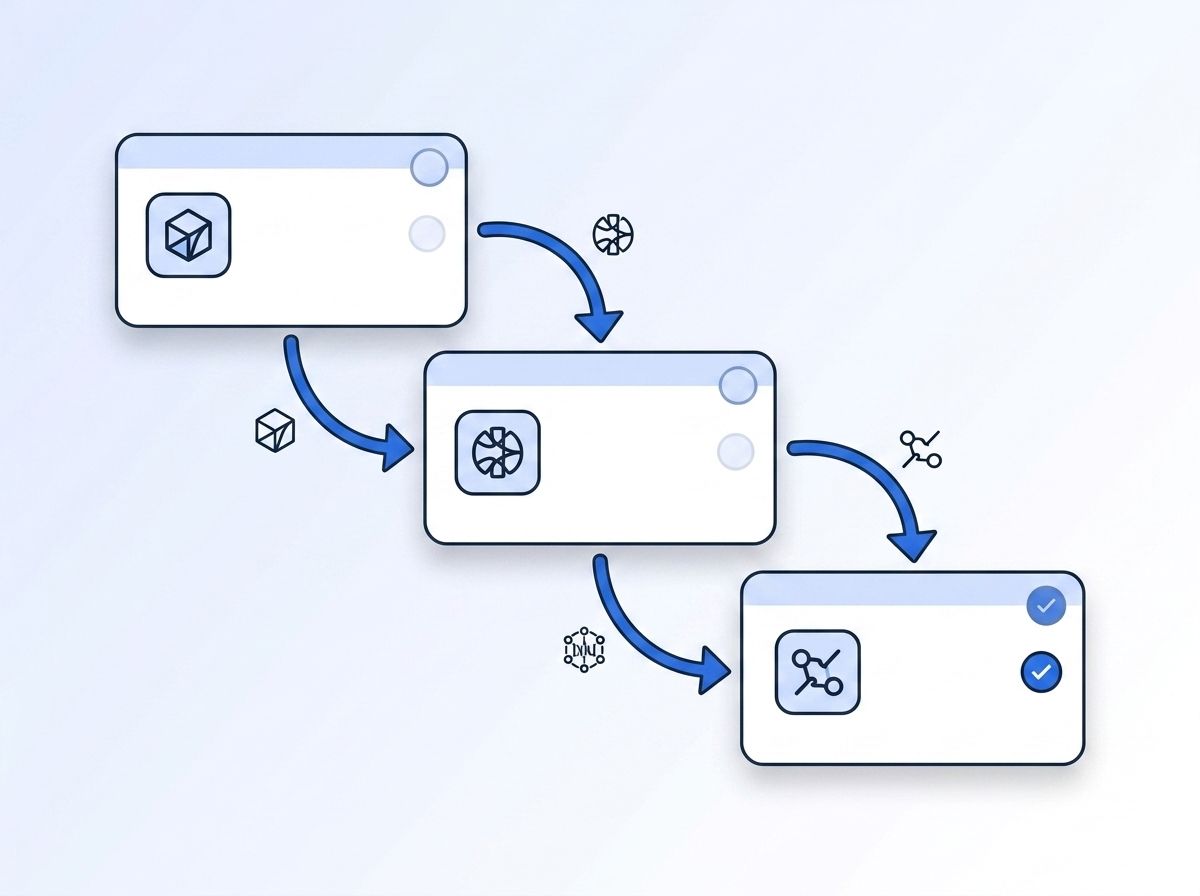
Clay's lead differentiator is that it doesn't try to be a single data source — it's a spreadsheet-native orchestration layer that queries multiple enrichment vendors in sequence and keeps only the first result that clears your confidence threshold. That's the "waterfall" pattern GTM engineers have built their careers around since 2024.
Clay connects to dozens of providers, including LinkedIn-native APIs, email finders, and phone verification tools, then lets you chain them with conditional logic: try vendor A, fall back to vendor B if the field is empty, enrich further with a third call only for accounts above a certain score. That flexibility is also its biggest cost risk — every fallback call is a metered charge, and a poorly tuned waterfall burns credits on records that were never going to convert.
Best for: RevOps and GTM engineering teams building custom, multi-source enrichment logic without writing a full backend service.
Pricing: Tiered monthly plans plus consumption-based credits for each enrichment provider you route through.
3. Why Is Apollo.io the Best All-in-One Prospecting and Enrichment Platform?
Apollo's lead differentiator is bundling a large contact database with sequencing, dialing, and enrichment in one login, which appeals to teams that want fewer vendor contracts to manage. Its enrichment layer draws from a proprietary database that Apollo claims covers hundreds of millions of contacts.
<!-- [UNIQUE INSIGHT] -->The tradeoff GTM engineers run into with all-in-one platforms like Apollo is architectural, not just pricing: enrichment is a feature bolted onto a sales engagement tool, not the core product. That's fine if your workflow lives inside Apollo's UI. It gets awkward fast if you need to call enrichment independently from a CRM webhook, a Clay waterfall step, or an internal tool — read our Datamagnet vs Apollo.io comparison for a closer look at the API-access gap.
Best for: Smaller sales teams that want prospecting, outreach, and enrichment under one roof without stitching tools together.
Pricing: Free tier for light use, with paid plans scaling by seat and credit volume.
4. ZoomInfo — Best for Enterprise Data Depth and Intent Signals
ZoomInfo's lead differentiator is database depth — org charts, direct-dial phone numbers, and intent data layered on top of firmographic and contact records, aimed squarely at enterprise revenue teams. It's the tool most likely to already sit inside a Fortune 1000 sales org's stack.
That depth comes at enterprise pricing and, historically, a heavier procurement process than API-first alternatives. For GTM engineers specifically, the friction is usually programmatic access: ZoomInfo's API tiers and seat-based contracts aren't built for the same lightweight, pay-per-call pattern that request-time APIs use. Our Datamagnet vs ZoomInfo breakdown compares contract models and refresh cadence in more detail.
Best for: Large enterprise sales orgs that need deep firmographic and intent data and already have budget for annual contracts.
Pricing: Custom enterprise quotes, typically annual contracts with seat minimums.
5. Why Is Clearbit (Now HubSpot Breeze Intelligence) Best for HubSpot-Native Enrichment?
Clearbit's lead differentiator, since its acquisition by HubSpot, is native integration inside the HubSpot CRM under the Breeze Intelligence name — enrichment fields populate directly on contact and company records without a separate integration step. For HubSpot-first teams, that removes an entire category of sync work.
The obvious limitation is platform lock-in: this option makes far less sense if your GTM stack isn't already built around HubSpot, or if you need enrichment data inside a custom application rather than a CRM record. See our Clearbit alternative comparison if you're evaluating a standalone, API-first replacement.
Best for: Teams fully committed to HubSpot that want enrichment to feel like a native feature, not a bolt-on.
Pricing: Bundled into HubSpot's Breeze Intelligence add-on pricing, tiered by CRM plan.
6. People Data Labs — Best for Developer-First Bulk Enrichment
People Data Labs's lead differentiator is a straightforward, developer-oriented API built for bulk enrichment and identity resolution at volume, rather than a sales UI. It's a popular backend choice for teams building their own enrichment layer instead of buying a finished tool.
Because it's built on a large stored dataset rather than live per-request fetching, freshness depends on PDL's own refresh cycle rather than the moment you make the call — worth checking against your own recency requirements. Compare refresh models directly in our People Data Labs alternative writeup.
Best for: Engineering teams doing large-batch enrichment jobs where clean, documented API responses matter more than a dashboard.
Pricing: Usage-based, priced per record matched, with volume discounts at scale.
7. Why Is Coresignal Best for Licensed Structured Datasets?
Coresignal's lead differentiator is selling structured, licensable datasets — company and employee data pulled from public web sources and delivered in bulk formats data teams can load directly into a warehouse. It's less "call an API per lead" and more "buy a dataset and build on it."
That model fits data science and analytics teams doing large-scale modeling more than SDRs enriching one lead at a time. If your GTM engineering work leans toward request-time lookups instead of periodic dataset licensing, our Coresignal alternative page walks through the difference.
Best for: Data teams building internal models or dashboards on top of licensed, warehouse-ready company and people datasets.
Pricing: Custom dataset licensing, typically negotiated by volume and refresh frequency.
8. Why Is Bright Data Best for Custom Web Data Collection Infrastructure?
Bright Data's lead differentiator is infrastructure, not a finished enrichment product — proxy networks and scraping tools that let technical teams build fully custom collection pipelines for any public web source, not just LinkedIn. It's the choice for teams that want maximum control and are willing to build and maintain the parsing layer themselves.
That control comes with real engineering overhead: you own uptime, parsing breakage when target sites change their markup, and compliance review. Teams that want LinkedIn-specific structured output without maintaining scraping infrastructure usually reach for a purpose-built API instead — see our Bright Data alternative for LinkedIn comparison.
Best for: Engineering-heavy teams that need custom data collection beyond what any single enrichment API offers, and have the resources to maintain it.
Pricing: Usage-based, priced by bandwidth and request volume across its proxy and scraping products.
9. EnrichLayer (Formerly Proxycurl) — Best for Teams Migrating Off Proxycurl
EnrichLayer's lead differentiator is direct lineage from Proxycurl, which shut down and left a wave of developers needing a like-for-like LinkedIn data API migration. EnrichLayer positions itself as the closest continuation of that endpoint structure and developer experience.
For GTM engineers who built pipelines against the old Proxycurl API, migration friction is the real evaluation criterion here — how closely response schemas map to what you already parse. If you're weighing a full switch instead of a like-for-like migration, our EnrichLayer alternative page compares broader feature scope, including post-engagement and signal data EnrichLayer doesn't offer.
Best for: Developers who had a working Proxycurl integration and want the fastest possible migration path.
Pricing: Usage-based API credits, similar in structure to the legacy Proxycurl model.
How Do These 9 Tools Compare?
| Tool | Category | Best For | Data Model | Pricing |
|---|---|---|---|---|
| Datamagnet | Real-time API | Live LinkedIn people + company data | Request-time fetch | Pay-as-you-go credits |
| Clay | Orchestrator | Waterfall enrichment logic | Routes to other vendors | Monthly + consumption |
| Apollo.io | All-in-one platform | Prospecting + enrichment in one tool | Proprietary database | Free tier + paid seats |
| ZoomInfo | All-in-one platform | Enterprise depth + intent | Proprietary database | Enterprise contract |
| Clearbit / Breeze | CRM-native | HubSpot-embedded enrichment | Proprietary database | Bundled with HubSpot |
| People Data Labs | Developer API | Bulk enrichment at volume | Stored dataset | Per-record usage |
| Coresignal | Licensed dataset | Warehouse-ready bulk data | Licensed dataset | Custom licensing |
| Bright Data | Infrastructure | Custom scraping pipelines | Self-built collection | Usage-based |
| EnrichLayer | Developer API | Proxycurl migration | Stored dataset | Usage-based |
Notice the pattern: only a handful of these fetch data live at the moment you ask for it. Everything else is a snapshot of varying freshness, which circles back to that 22.5%-a-year decay problem (HubSpot, Database Decay Simulation, retrieved 2026-07-19) — the older the snapshot, the more of your enrichment spend is wasted on records that were already stale.
How Did We Select These Tools?
We started from the tools GTM engineers most commonly mention when discussing waterfall stacks, LinkedIn data APIs, and CRM enrichment pipelines, then narrowed to 9 based on four criteria: whether the tool exposes a real API (not just a UI export), its refresh model, pricing transparency, and how it fits a programmatic, request-time workflow versus a manual one.
We did not accept sponsored placement for any entry, and Datamagnet's own listing above is evaluated against the same four criteria we applied to every competitor. Field-format inconsistency across vendors is a real cost of running any multi-tool stack: 65.7% of martech teams named data integration their top stack hurdle, with data silos flagged by nearly a quarter (MarTech.org, 2025 State of Your Stack Survey, 2025). Budget engineering time for schema normalization, not just vendor fees, when you build your own stack.
If your pipeline needs account-level filtering before enrichment even starts, the ICP Company Search endpoint and ICP People Search endpoint let you filter by headcount, industry, title, and seniority up front, so you're not paying to enrich accounts that were never in your ICP.
Frequently Asked Questions
What's the difference between a data enrichment API and a data enrichment platform?
An API, like Datamagnet's People Profile endpoint, returns structured data on demand for you to build into your own pipeline. A platform, like Apollo or ZoomInfo, bundles enrichment with a UI, sequencing, and dialing. GTM engineers typically want APIs; sales reps typically want platforms.
Do I need Clay if I already pay for ZoomInfo?
It depends on what ZoomInfo's database misses. In 2025, 75% of B2B marketers estimated at least 10% of their lead data was inaccurate, outdated, or non-compliant, even with an enrichment tool in place (Integrate & Demand Metric, State of Marketing Data 2025, 2025). A waterfall that falls back to a second or third source can close that gap on records ZoomInfo doesn't cover well.
How much do data enrichment tools typically cost?
Costs range from a few cents per record on usage-based APIs to five- and six-figure annual contracts for enterprise database platforms. Poor data quality itself costs organizations an average of $12.9 million a year, so the real comparison isn't tool price alone — it's tool price against the cost of the bad data you'd otherwise keep (Gartner, How to Improve Your Data Quality, 2021).
Is real-time enrichment actually better than a cached database?
For contact and role data specifically, yes, because that data decays fast. B2B contact records go stale at roughly 2% a month — about 22.5% a year — as people change jobs (HubSpot, Database Decay Simulation, retrieved 2026-07-19). A request-time API avoids serving a record that was already wrong when it was cached.
Which Enrichment Tool Should You Actually Pick?
If you need one tool that fetches current LinkedIn people and company data on demand, start with Datamagnet's People Profile and Company Profile endpoints. If you're building a multi-source waterfall, Clay is still the strongest orchestration layer available. Need one contract that covers prospecting, dialing, and enrichment for a small team? Apollo remains the simplest all-in-one option.
Most serious GTM engineering stacks in 2026 aren't single-tool — they combine a live data source with an orchestration layer and a normalization step that keeps field formats consistent across vendors. Start with the category that matches your actual bottleneck, not the tool with the biggest marketing budget. Get 10 free credits and enrich your first contact to see how request-time data compares against whatever you're running today.
