
Disclosure: Datamagnet publishes this article. Product capabilities described below are based on public documentation, retrieved July 19, 2026. Vendor claims about competing products are self-reported unless otherwise noted; verify current pricing and features before buying.
What Are the Best B2B Database Tools for GTM Engineers in 2026?
A GTM engineer's stack is only as good as the data flowing through it. In 2026, B2B contact data decays roughly 2% a month - about 22.5% a year - as people change roles and companies (HubSpot, Database Decay Simulation, retrieved 2026-07-19). That decay rate is exactly why the tool you pick matters more than the workflow you build around it.
This guide compares 10 B2B database tools GTM engineers actually reach for - from live API providers to legacy static databases to the orchestration layer that ties them together. You'll get the core differentiator for each, where it fits in a modern stack, and a framework for picking the right combination instead of paying for six overlapping subscriptions.
TL;DR
- In 2026, B2B contact data decays roughly 2% a month (HubSpot, Database Decay Simulation, retrieved 2026-07-19), which is why real-time API tools increasingly beat static databases for GTM engineering stacks.
- 76% of companies say less than half their CRM data is accurate and complete, and 37% report losing revenue because of it (Validity, The State of CRM Data Management 2025, 2025).
- The 10 tools split into three models: live real-time API, periodic-refresh dataset API, and static/licensed database - each fits a different stage of a GTM engineering workflow.
- Clay isn't a data source at all - it's the orchestration layer GTM engineers use to stitch several of these providers into one enrichment waterfall.
- Pick tools by data model first, price second: a static database that's cheap per seat can still cost you pipeline if the record is six months stale.
What Makes a B2B Database Tool "GTM-Engineer-Ready"?
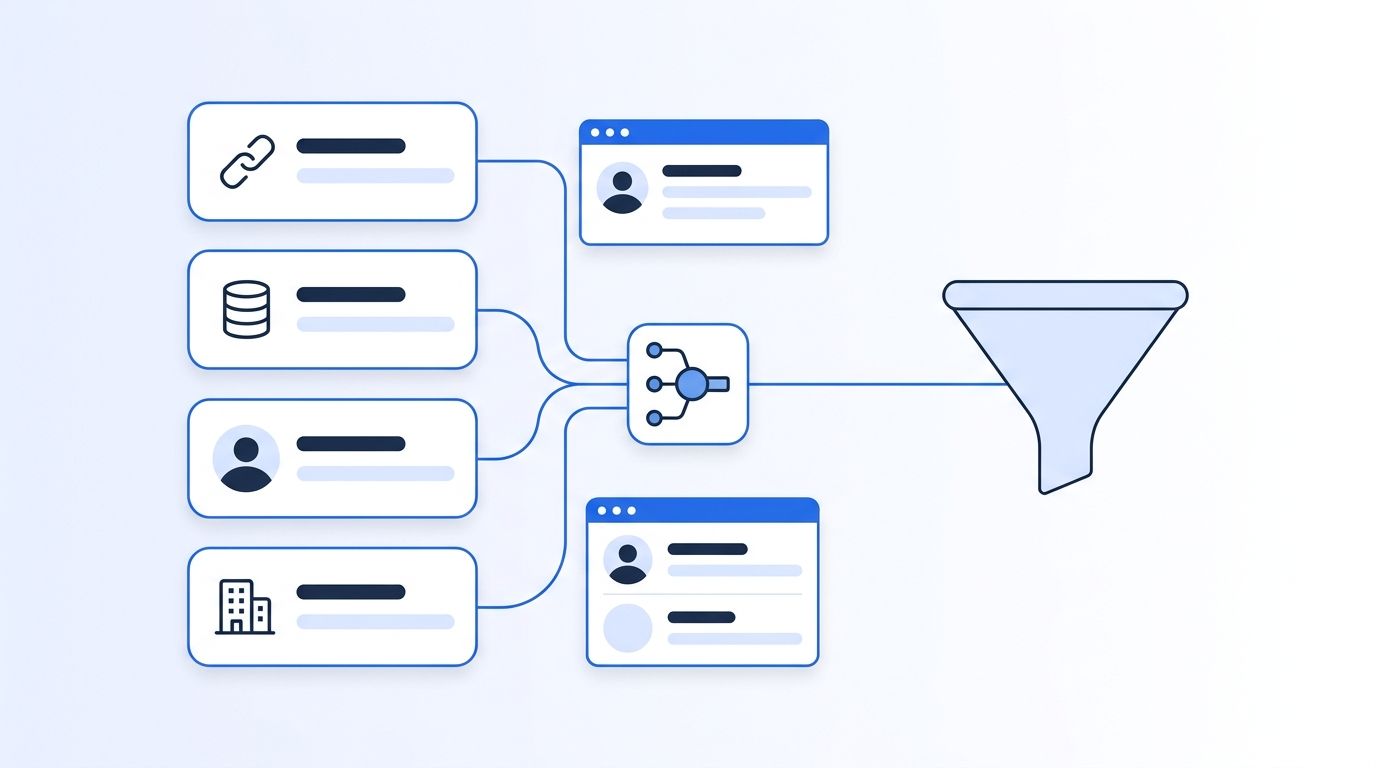
A tool earns a spot in a GTM engineering stack when it's API-first, priced by usage instead of seats, and returns data fresh enough to act on immediately. Gartner has found that buyers spend only about 5% to 6% of their total purchase journey in direct contact with any single sales rep (Gartner, The Future of Sales, 2020), which means the window to reach a prospect with accurate data is already narrow before decay makes it narrower still.
GTM engineers build automated pipelines, not manual prospecting lists. That changes what "good" looks like in a database tool: a clean REST API and webhook support matter more than a polished browser extension. Does the tool return JSON your workflow can parse, or does it lock the data behind a UI built for a rep clicking one contact at a time?
<!-- [UNIQUE INSIGHT] -->Most buying guides for sales databases still rank tools by database size - "500 million contacts" versus "700 million contacts." That metric is close to meaningless for a GTM engineer. A pipeline built on live API lookups doesn't care how many records sit in a warehouse somewhere; it cares whether the record it fetches right now, for this specific person, is current. Size is a vanity metric left over from the static-database era.
The 10 Best B2B Database Tools for GTM Engineers
Here are the 10 tools GTM engineers most commonly wire into their stacks, grouped by what each one actually does rather than by marketing category.
1. Datamagnet
Datamagnet is a real-time LinkedIn people and company data API built for developers and GTM engineers rather than reps browsing a UI. Instead of returning a cached record, endpoints like People Profile and Company Profile fetch a LinkedIn page live at request time, and Signal monitors push job-change and engagement events straight to a webhook. It's the closest fit for a stack built to fight data decay instead of tolerating it.
2. Clay
Clay isn't a data provider - it's the orchestration workbench GTM engineers use to combine multiple sources (including Datamagnet, People Data Labs, and others) into a single spreadsheet-style enrichment waterfall with AI steps layered in. The Clay integration pattern is common: pull a live LinkedIn field from an API column, then route it into a sequencing tool downstream.
3. ZoomInfo
ZoomInfo runs one of the largest licensed B2B contact and firmographic databases on the market, packaged with intent data, org charts, and a seat-based enterprise pricing model. It's built for reps who need a broad database inside one UI, not for engineers wiring lightweight API calls - see how a live-fetch model compares to ZoomInfo's static approach.
4. Apollo.io
Apollo pairs a large contact database with a built-in sequencing and engagement layer, positioning itself as the lower-cost, self-serve alternative to enterprise suites like ZoomInfo. It works well for SMB and mid-market teams that want a database and an outreach tool in one login - compare it against a pay-as-you-go API model if your stack is already API-first.
5. Cognism
Cognism differentiates on compliant, verified phone data - particularly mobile numbers - and GDPR-friendly sourcing for teams selling into the EU. It trades some of the raw database breadth of ZoomInfo or Apollo for stronger phone accuracy and compliance guarantees, which matters more for outbound-calling-heavy teams than for pure API pipelines.
6. Lusha
Lusha is a browser-extension-led, credit-based contact lookup tool built for individual reps pulling one record at a time rather than bulk pipeline automation. Lusha's own contact mobility tracking illustrates the decay problem well: its live signal database tracked roughly 13,600 B2B job changes per working day in early 2026 (Lusha, B2B Contact Mobility Report 2026, 2026) - a useful data point even if you don't use Lusha as your primary source.
7. People Data Labs (PDL)
People Data Labs positions itself as raw identity-resolution infrastructure for data teams building their own products, not an end-user sales tool. It's usage-based and API-first, making it a common companion to orchestration layers like Clay, though its underlying records refresh on a periodic crawl schedule rather than fetching live at request time.
8. Coresignal
Coresignal sells large-scale scraped and aggregated public web datasets - including employee and company records - via API or bulk export, aimed at data teams building products rather than sales reps working a list. Like PDL, it's periodic-refresh rather than live-fetch, so freshness depends on Coresignal's own crawl cadence.
9. EnrichLayer (formerly Proxycurl)
EnrichLayer is a developer-first API specifically for LinkedIn profile and company enrichment, built on simplicity of integration and pay-as-you-go pricing. Since Proxycurl's shutdown pushed its user base toward alternatives, GTM engineers comparing options should look at what a Proxycurl migration actually requires before locking into a new dependency.
10. ScrapIn
ScrapIn is a niche, credit-based LinkedIn scraping API popular with no-code builders and Clay users who need programmatic profile and company lookups without a full sales-intelligence suite. It covers a narrower endpoint set than Datamagnet or ZoomInfo, which makes it a fit for teams with a single, specific LinkedIn data need rather than a full GTM data layer.
Citation capsule: GTM engineers rarely run one database tool - they combine a live API for freshness, an orchestration layer like Clay to merge sources, and sometimes a legacy static database for fields a live source doesn't cover. The stack matters more than any single vendor's marketed database size.
Static Database vs. Real-Time API: Which Model Actually Fits a GTM Stack?
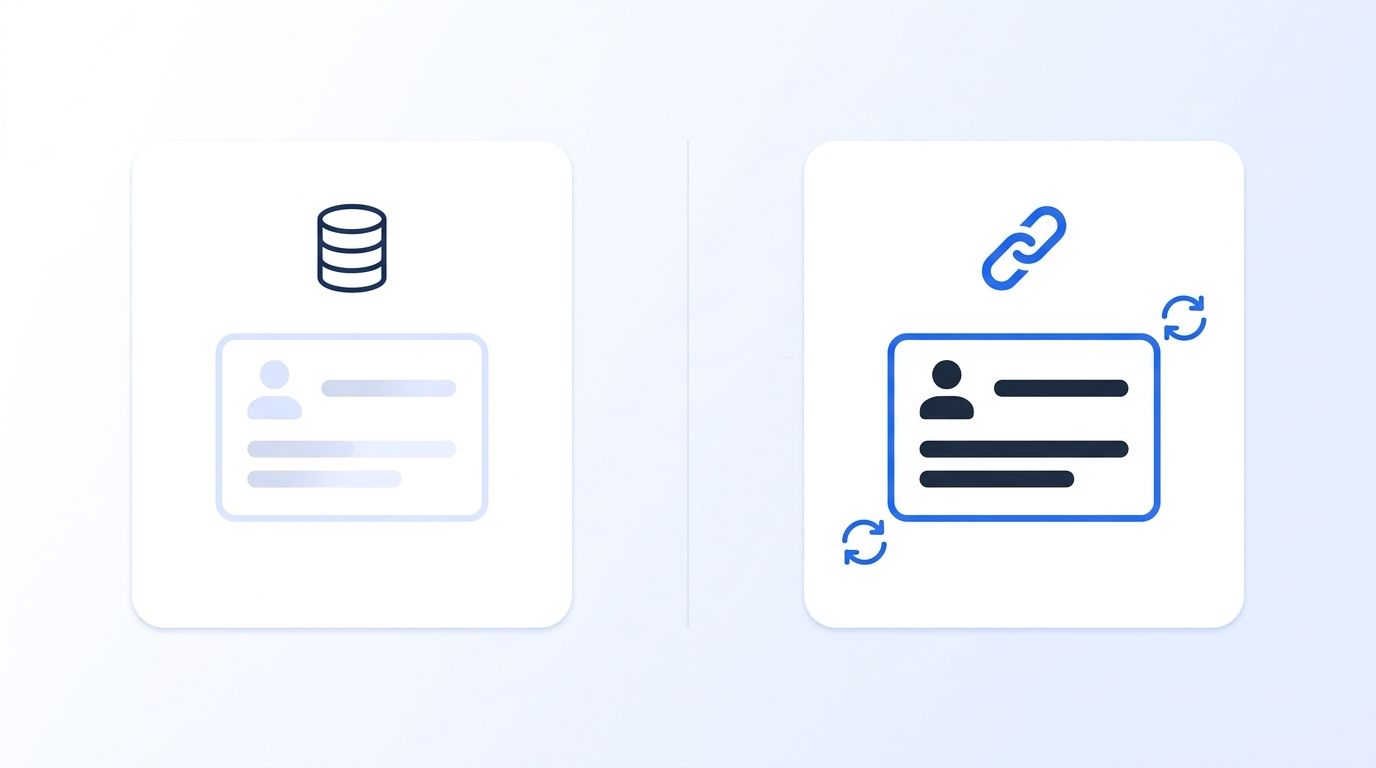
The 10 tools above split cleanly into three data models, and which one you need depends on what your pipeline does with the data, not on brand familiarity. A static or periodically-refreshed database is fine for a one-time list build; a live API is the only model that keeps pace with a contact base that's constantly moving.
Isn't it a little strange that "database size" became the headline metric for an entire industry? A 700-million-record static database sounds impressive until you realize a meaningful share of those records are already wrong the moment you pull them. ICP Company Search and ICP People Search sidestep that problem by filtering against live records instead of a warehouse snapshot, using human-readable filters instead of internal IDs.
Citation capsule: A static database answers "what did this record look like when we last crawled it?" A live API answers "what does this record look like right now?" For a GTM engineer building automated outreach, that difference determines whether a pipeline runs on current information or on a slowly aging cache.
How Fast Does Contact Data Actually Decay, and Why Does It Change Your Tool Choice?
Contact data decay compounds every month a record sits untouched, which is exactly why the static-database model struggles to keep up. In 2026, HubSpot's decay modeling puts B2B contact data decay at roughly 2% a month (HubSpot, Database Decay Simulation, retrieved 2026-07-19) - a rate that looks small in isolation but compounds fast across a full sales cycle.
Watching a team migrate from a quarterly-refresh static database to a live API is a common pattern: the first thing that surprises them isn't the price difference, it's how many "verified" contacts from the old list had already moved companies by the time the switch happened. The decay was always there. A static database just hides it until someone tries to call the number.
76% of companies report that less than half their CRM data is accurate and complete, and 37% say that inaccuracy directly costs them revenue (Validity, The State of CRM Data Management 2025, 2025). A quarterly-refresh database can't close that gap - by definition, it's carrying up to three months of accumulated decay before the next refresh even runs.
Why Do Reps Spend So Little Time Actually Selling - and How Does That Change Your Data Priorities?
Reps spend so little time selling because bad data and admin work eat the rest of the week, which is precisely the time a GTM engineering stack is built to reclaim. Salesforce's State of Sales research has repeatedly found that reps spend under a third of their working week actually selling (Salesforce, State of Sales, multiple editions), with the remainder split across CRM updates, internal meetings, and chasing down bad contact records.
A GTM engineer's job is to shrink that 72% by automating the data work, not by asking reps to type faster. Route ICP People Search results directly into a sequencing tool instead of a manual export, and register a job-change signal so a webhook - not a rep - catches the moment a champion moves to a new company. For account-level workflows, account research infrastructure built on live data removes another manual research step entirely.
How Should a GTM Engineer Actually Choose Between These Tools?
A GTM engineer should choose by matching each tool's data model to the specific job it needs to do, not by picking one platform to cover everything. Very few stacks run on a single vendor - most combine a live API for freshness-critical lookups, an orchestration layer to merge sources, and occasionally a legacy database for a field a live source doesn't yet cover.
Start by mapping your pipeline's actual bottleneck. If reps are calling stale numbers, prioritize freshness over database size. If you're building outbound at volume, prioritize an API with predictable, usage-based pricing over a seat-locked contract. If you need firmographics alongside people data, Company Profile and ICP Company Search cover both from one live source instead of stitching two vendors together. Compare the live-fetch model directly against a bulk-dataset provider like People Data Labs before committing to either.
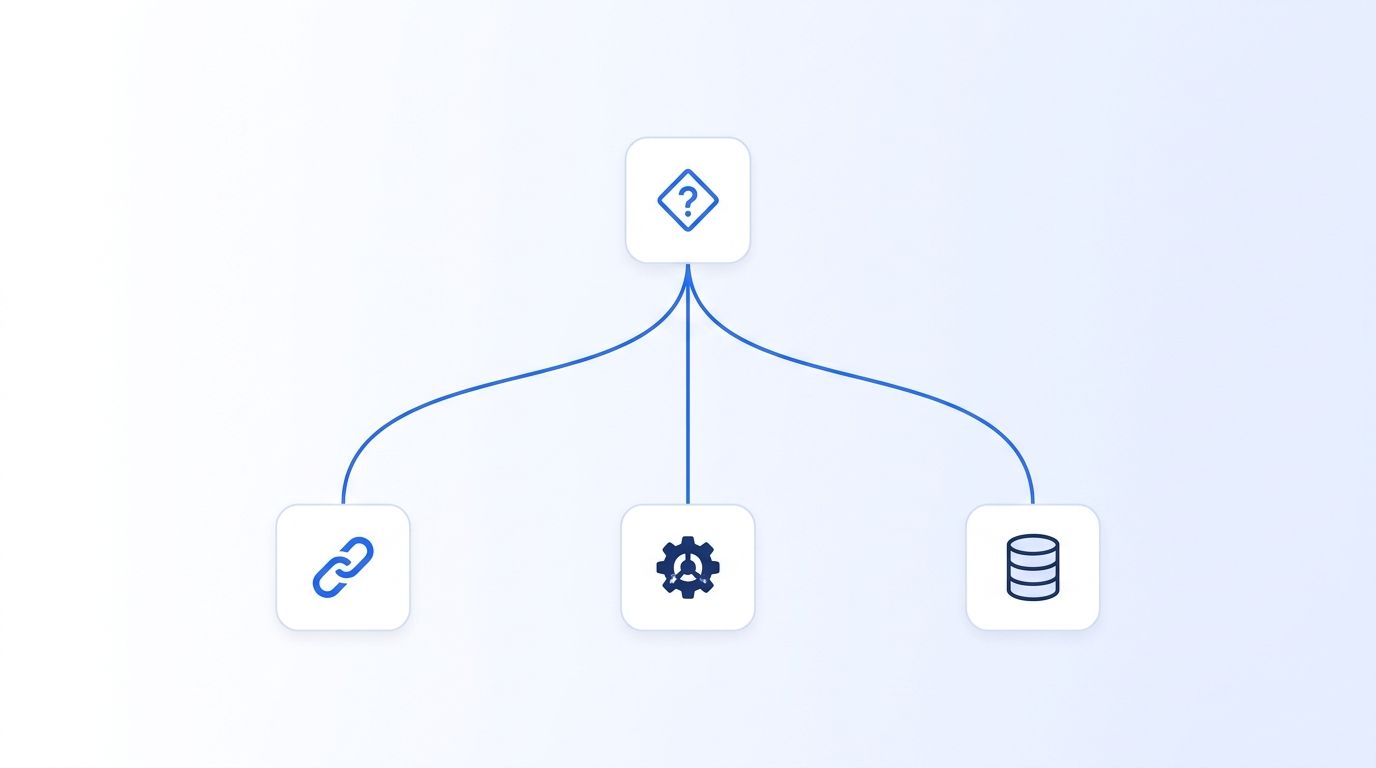
Teams that migrate a Clay enrichment waterfall from a single static-database column to a live-API column report catching job changes within days of the event instead of at the next scheduled data refresh - the same freshness gap that shows up in the decay chart above, just measured inside one team's own pipeline instead of an industry aggregate.
What's Next for B2B Database Tools in GTM Engineering?
What's next is fewer standalone "database" products and more composable APIs that plug directly into orchestration layers like Clay. As GTM engineering matures as a discipline, the tools that win won't be the ones with the biggest static database - they'll be the ones with the cleanest API, the most predictable pricing, and the freshest data at the moment of the call.
The static-database model isn't disappearing overnight; enterprise sales orgs with long contracts will keep renewing ZoomInfo and similar platforms for years. But the marginal dollar in a growing GTM engineering budget is increasingly going toward usage-based APIs that fetch live data, precisely because that model attacks the 2%-a-month decay problem at its root instead of papering over it with a faster refresh schedule.
Start Building Your GTM Data Stack on Live Data, Not a Snapshot
The 10 tools above aren't interchangeable - they split into live real-time APIs, periodic-refresh datasets, static licensed databases, and one orchestration layer that ties them together. Match each to the job it actually does best, weight data freshness over raw database size, and route the freshness-critical parts of your pipeline through an API that fetches live at request time. Check Datamagnet's pricing against your current stack's per-record cost, and see how the People API plugs into a Clay waterfall this week.
Frequently Asked Questions
What's the difference between a B2B database tool and a GTM engineering stack?
A B2B database tool is a single data source - static or live. A GTM engineering stack is the combination of several such tools, wired together with an orchestration layer like Clay and delivered through webhooks and APIs instead of manual exports. Most GTM engineers run 2-4 tools at once, not one.
Is Clay a database tool?
No. Clay is an orchestration workbench that combines multiple data providers - including Datamagnet, People Data Labs, and others - into one enrichment waterfall inside a spreadsheet-style interface. It doesn't own or maintain its own contact database.
Why do real-time APIs beat static databases for GTM engineering?
Because contact data decays continuously - roughly 2% a month, based on HubSpot's decay modeling (HubSpot, Database Decay Simulation, retrieved 2026-07-19) - while static databases only refresh on a fixed schedule. A live API fetches the current record at the moment of use, closing the gap a quarterly or monthly refresh always leaves open.
How many B2B data tools should a GTM engineering stack include?
Most effective stacks run 2-4 tools: one live API for freshness-critical lookups, an orchestration layer to merge sources, and sometimes a legacy static database for fields a live source doesn't yet cover. Running more than that usually means overlapping subscriptions rather than better coverage.
Does database size still matter when choosing a B2B data tool?
Less than it used to. A large static database can still contain meaningfully stale records, since 76% of companies say less than half their CRM data is accurate and complete (Validity, The State of CRM Data Management 2025, 2025). Freshness at the moment of use matters more than raw record count.
Sources
- HubSpot, Database Decay Simulation, retrieved 2026-07-19, https://www.hubspot.com/database-decay
- Validity, The State of CRM Data Management 2025, 2025, https://www.validity.com/resource-center/the-state-of-crm-data-management-in-2025/
- Lusha, B2B Contact Mobility Report 2026, 2026, https://www.lusha.com/blog/b2b-contact-mobility-report-2026/
- Salesforce, State of Sales, multiple editions, https://www.salesforce.com/resources/research-reports/state-of-sales/
- Gartner, The Future of Sales, 2020, https://www.gartner.com/en/sales/insights/future-of-sales
- Datamagnet, People Profile endpoint, retrieved 2026-07-19, https://docs.datamagnet.co/api-reference/endpoints/people
- Datamagnet, Company Profile endpoint, retrieved 2026-07-19, https://docs.datamagnet.co/api-reference/endpoints/company
- Datamagnet, Signal - Create endpoint, retrieved 2026-07-19, https://docs.datamagnet.co/api-reference/endpoints/signal-create
